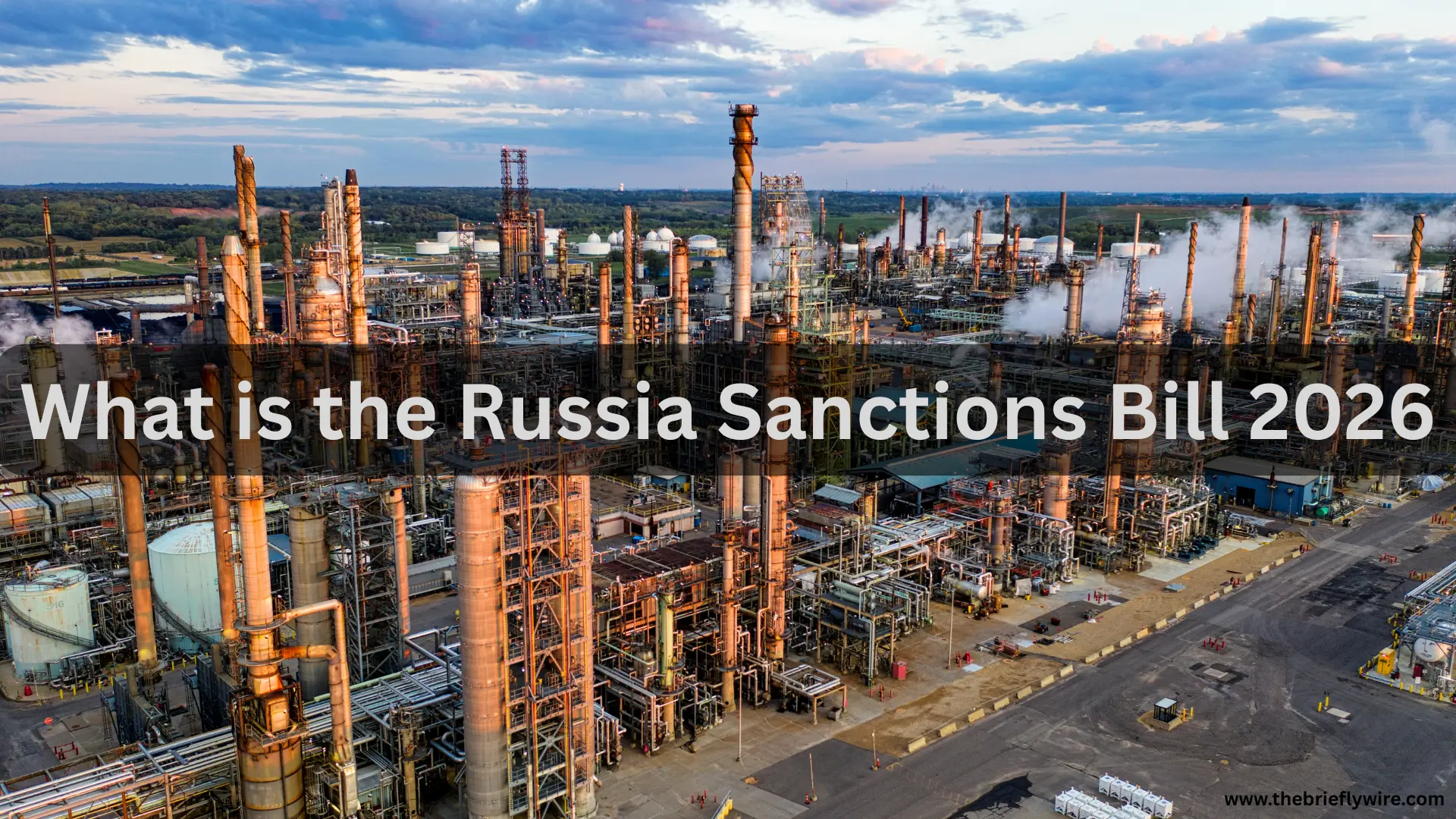


Crude oil is a vital fuel for today’s global economy, utilized across sectors such as transportation, industry, power generation, petrochemical production, and various manufacturing fields.
- What is oil production?
- Which are the world’s largest oil-producing countries?
- China
- Frequently Asked Questions (FAQs)
- Which is the world’s largest oil-producing country?
- What is OPEC?
- What is the difference between oil production and oil reserves?
- To what extent does India produce oil?
- Which country has the largest oil reserves?
- What is the importance of oil production in the global economy?
- Conclusion
Given the immense scale of its consumption, the volume of oil produced by a country significantly impacts the global economy, energy security, and international politics.
In this article, we will explore which nations are the world’s largest oil producers and examine the global consequences that would ensue if they were to halt production.
What is oil production?
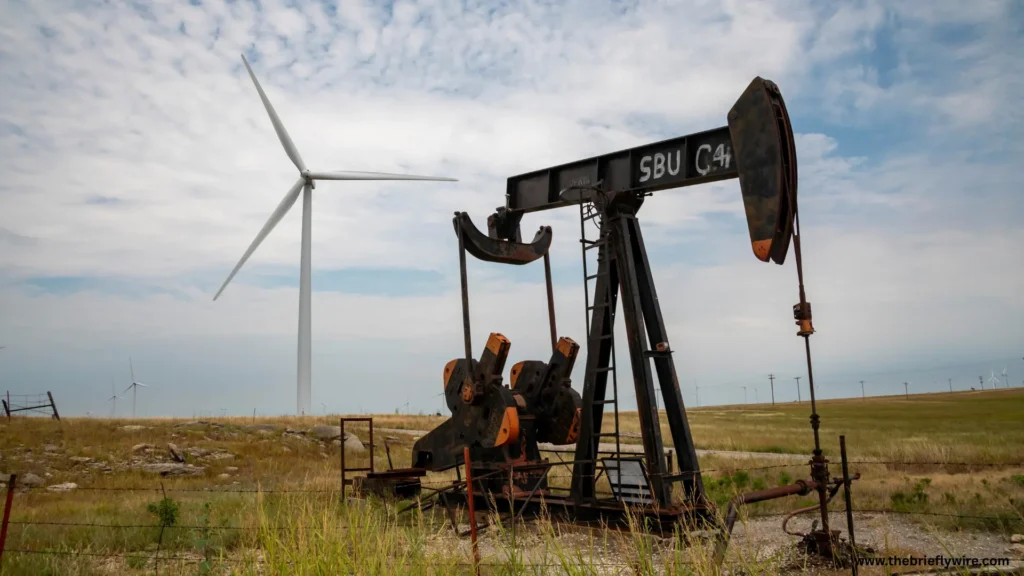
Formed millions of years ago from organic matter, this oil lies stored within rock layers deep beneath the Earth’s surface. Wells are drilled into the ground to extract it; the process of bringing this stored oil to the surface is known as oil production.
Drilling technology is employed to locate oil reserves and extract them safely. Subsequently, the crude oil undergoes refining to produce petrol, diesel, aviation fuel, LPG, and various petrochemical products.
Let us now understand how a country’s oil production is measured; daily output is quantified in ‘Barrels per Day’ (BPD).
BPD serves as a crucial metric in the global energy market for determining a country’s standing, its energy self-sufficiency, and its export capacity.
A country with high oil production levels can influence prices in global markets.
It is important to distinguish between oil production and oil reserves; a country might possess vast reserves but lack the modern technology required for extraction, or production might be low due to a lack of investment, environmental regulations, or political conditions.
Conversely, some nations produce oil on a large scale despite having limited reserves, thanks to advanced technology and substantial investment.
Oil production is not confined solely to the energy sector; it is directly linked to the global economy, industrial development, trade, and geopolitical relations.
Therefore, in the remainder of this article, we will explore which countries are the world’s largest oil producers.
Which are the world’s largest oil-producing countries?
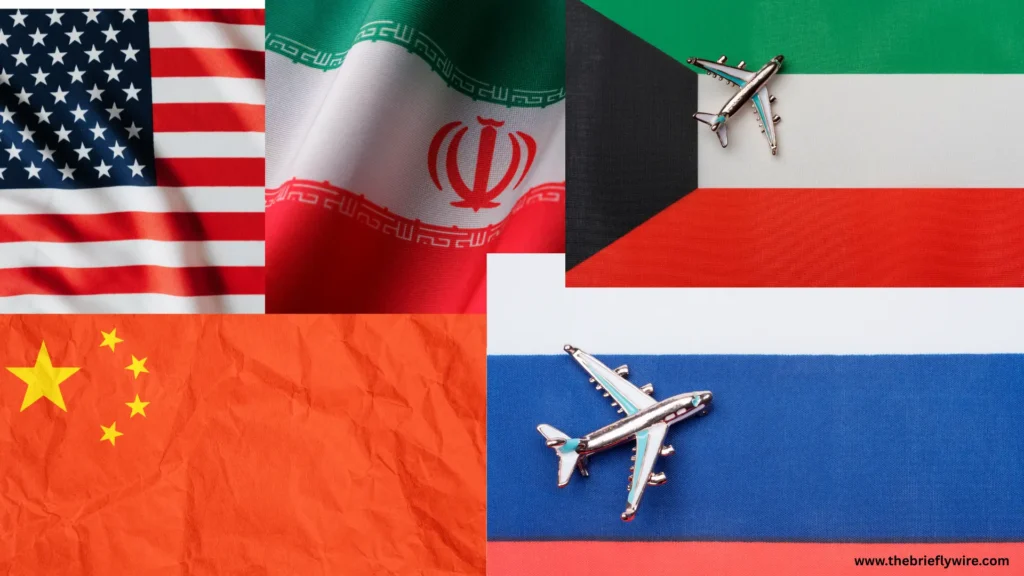
The output of the world’s largest oil-producing nations is crucial not only for their own economies but for the global economy as a whole.
If these countries reduce or limit oil production, it significantly impacts global oil supplies, price fluctuations, and energy security.
Currently, the United States, Russia, Saudi Arabia, Canada, Iraq, China, the United Arab Emirates (UAE), Brazil, Iran, and Kuwait are the world’s largest oil-producing nations.
Since each of these countries differs in terms of production capacity, natural oil reserves, technology, and export policies, fluctuations in their oil output have varying consequences.
Furthermore, as members of organizations like OPEC and OPEC+, some of these nations play a pivotal role in regulating global oil production.
Let us now explore the details regarding the world’s top 10 oil-producing countries—including their daily production figures, major oil fields, contributions to the global energy market, and key characteristics.
United States
The United States is the world’s largest oil-producing nation. Thanks to advanced shale oil technology and hydraulic fracturing (fracking), the country has seen a significant increase in oil production capacity and exports over the past few years; producing approximately 22 million barrels of petroleum daily, it holds the top position.
Texas, New Mexico, North Dakota, and Alaska are the major oil-producing states in the U.S. The Permian Basin, spanning Texas and New Mexico, is considered one of the most productive oil fields in the world.
U.S. strength in the energy sector extends beyond mere production volume; driven by state-of-the-art drilling technology, a massive refining industry, and large-scale exports, fluctuations in American production—whether increases or decreases—have a tangible impact on global oil prices and energy supplies.
Saudi Arabia
Saudi Arabia is the second-largest oil-producing nation and has long been considered one of the most influential countries in the global energy market.
A significant portion of Saudi Arabia’s total government revenue and exports is derived from the oil industry; the country possesses one of the world’s largest proven oil reserves.
Saudi Arabia is capable of producing and exporting vast quantities of crude oil daily, primarily because it is home to the Ghawar Oil Field—the world’s largest oil field—and the Safaniya field, the world’s largest offshore oil field.
Saudi Aramco, one of the world’s largest oil companies, is responsible for oil production and exports. As the most influential member of OPEC (Organization of the Petroleum Exporting Countries), Saudi Arabia makes decisions regarding production increases or cuts in coordination with other member nations.
Decisions made by Saudi Arabia within OPEC directly impact global oil prices and supply, making the country a pivotal player in international oil trade.
Russia
Russia is one of the world’s largest oil-producing nations; due to its vast geographical expanse, it possesses significant oil and natural gas reserves both onshore and offshore.
The oil industry has long been a crucial component of Russia’s economy and energy exports, with Western Siberia and Eastern Siberia serving as its primary oil-producing regions.
The vast oilfields of Western Siberia have underpinned oil production for decades, and substantial energy reserves also exist in Russia’s northern and Arctic regions.
Russia has developed extensive pipeline and maritime transport networks, enabling it to supply large quantities of oil to markets in Europe, Asia, and beyond.
Russia’s influence on the global oil market stems from both its high production levels and its significant export capacity; it ranks alongside the United States and Saudi Arabia as one of the world’s top oil producers.
Currently, the ongoing conflict between Russia and Ukraine has led to numerous sanctions imposed by Europe and the United States, significantly impacting Russia’s oil production.
Canada
Canada is one of the world’s largest oil-producing nations, and a defining feature of its oil industry is its oil sands.
Canada’s vast oil reserves are located within the oil sands of Alberta province; these sands contain a heavy hydrocarbon known as bitumen, which is processed to produce usable crude oil.
Athabasca, Cold Lake, and Peace River are the primary oil sands regions in Canada; the Athabasca region, in particular, is vast and makes a significant contribution to the country’s total oil production.
Extracting oil from Canada’s oil sands requires complex technology and substantial investment in infrastructure and energy—resources that the United States provides to Canada. Consequently, Canada’s oil production is closely linked to the U.S. market.
A network of pipelines facilitates the transport of large volumes of crude oil from Canada to U.S. refineries, allowing Canada’s oil industry to play a pivotal role in the North American energy market.
Iraq
Iraq is one of the world’s leading oil-producing nations; the oil industry plays a major role in its economy, and the country possesses some of the world’s largest proven oil reserves, many of which are located at relatively shallow depths.
Iraq’s major oil fields are primarily situated in the southern part of the country, with key fields including Rumaila, West Qurna, Majnoon, and Zubair.
Rumaila, one of Iraq’s largest oil fields, contributes significantly to the country’s total oil production, and large quantities of crude oil are exported via oil terminals in southern Iraq.
Iraq’s economy relies heavily on oil exports; consequently, fluctuations in the global oil market have a substantial impact on the country’s revenue and economic situation.
Given its vast oil reserves and capacity to increase production, Iraq is likely to remain a key player in the global oil market in the future; furthermore, as an OPEC member, its decisions influence the global energy market.
China
China is one of the world’s major oil producers and importers. While it produces significant quantities of crude oil, domestic production falls short of internal demand, necessitating imports from other nations—most notably Iran.
Daqing, Shengli, the Tarim Basin, and Bohai Bay are China’s primary oil-producing regions; among them, Daqing holds historical significance.
China strives to sustain its domestic production by tapping into both onshore and offshore oil reserves.
Rapidly growing demand in the industrial and transportation sectors significantly impacts China’s oil industry. Given the extensive use of petroleum in transportation, manufacturing, petrochemicals, and other economic sectors, oil remains a critical resource for the country.
China meets its energy needs by combining domestic production with crude oil imports from various countries.
Due to the sheer size of its economy, China’s oil production and import policies exert a notable influence on the global energy market.
Factors such as domestic production, rising demand, import strategies, and energy security policies have established China as a pivotal player in the global oil industry.
United Arab Emirates (UAE)
The United Arab Emirates (UAE) is a major global oil-producing nation, with a significant portion of its oil reserves located in the Emirate of Abu Dhabi.
Oil production constitutes a major part of the UAE’s economy; among the oil fields in Abu Dhabi—such as Hasa, Murban, and Upper Zakum—Upper Zakum stands out as one of the world’s largest offshore oil fields.
The UAE produces oil on a large scale, driven by its access to modern technology, advanced infrastructure, and substantial investment.
As a key member of OPEC, the UAE plays a significant role in decisions regarding global oil production and supply.
By consistently investing heavily in its production capacity, the UAE has secured a prominent position in the global oil market.
Ports and pipeline networks in Abu Dhabi are also crucial for the UAE’s crude oil exports.
Brazil
Brazil is the largest oil-producing country in South America and the fifth-largest country in the world by area; over the past few decades, it has significantly increased its offshore oil production.
A substantial portion of Brazil’s oil production comes from deep-water offshore fields; the “Pre-Salt” oil fields located off the Brazilian coast are a key driver of this production growth.
The Santos Basin and Campos Basin are major offshore oil-producing regions in Brazil, where vast oil reserves lie within deep geological strata beneath the seabed.
The state-owned energy company Petrobras plays a pivotal role in Brazil’s oil industry. Petrobras has developed advanced technology for deep-water oil extraction and invested heavily in the development of Pre-Salt fields, significantly boosting Brazil’s offshore production capacity.
Iran
Iran is one of the world’s leading oil-producing nations, possessing one of the largest proven oil reserves globally. The oil industry is vital to Iran’s economy and government revenue, as a significant portion of the economy is derived from oil production.
The presence of numerous major oil fields in southwestern Iran and the Persian Gulf region grants the country the capacity for large-scale, long-term crude oil production.
Key oil fields in Iran include Ahvaz, Marun, Gachsaran, and Aghajari; additionally, oil is produced from offshore fields. The development and production of these resources are managed through Iran’s national oil company.
International sanctions imposed by the United States have significantly impacted Iran’s oil production in recent times. These sanctions have created major hurdles regarding oil exports, foreign investment, and the acquisition of modern technology, effectively restricting the country’s ability to export oil to other nations.
Consequently, despite possessing vast oil reserves, Iran’s actual production and export capacities have fluctuated over time. Iran is a founding member of OPEC and holds strategic importance in the global oil market.
Iran exerts a profound influence on the global energy market due to its substantial oil reserves, production capacity, and strategic geographical location in the Persian Gulf.
Changes in international sanctions or the geopolitical landscape could lead to significant shifts in Iran’s oil production and export capabilities.
Kuwait
Although Kuwait is geographically small, it possesses one of the world’s largest proven oil reserves; the oil industry serves as the backbone of its economy.
Oil plays a pivotal role in Kuwait’s government revenue and exports. The country’s reserves are largely found in conventional onshore oil fields, enabling sustained, large-scale production over the long term.
The Burgan Oil Field is Kuwait’s most renowned field and ranks among the largest conventional oil fields globally; additionally, fields in the northern region—such as Raudhatain and Sabriya—are crucial for production.
As a member of OPEC, Kuwait plays a significant role in decisions regarding global oil production and supply. It is a major exporter of crude oil, with Asian markets being particularly important to its trade.
Consequently, fluctuations in Kuwait’s production can significantly impact both regional and global oil markets. Despite its small geographical size, Kuwait has secured a prominent position in the global energy market—and ranks among the world’s leading oil producers—thanks to its vast reserves, stable production capacity, and well-developed oil export infrastructure.
Frequently Asked Questions (FAQs)
Which is the world’s largest oil-producing country?
The United States is the world’s largest oil producer. It has taken the lead in global oil production thanks to significant shale oil output and modern drilling technologies. The Permian Basin, located in Texas and New Mexico, is a particularly important region for U.S. oil production.
What is OPEC?
OPEC stands for the Organization of the Petroleum Exporting Countries. It is an international organization of oil-exporting nations. Its primary objective is to coordinate policies related to oil production among member countries and to promote stability in the global oil market. Major oil-producing nations such as Saudi Arabia, Iraq, Iran, and Kuwait are members of OPEC.
What is the difference between oil production and oil reserves?
Oil production refers to the crude oil actually extracted from a country over a specific period—typically on a daily basis. In contrast, oil reserves represent known deposits of oil that have the potential to be extracted in the future, both technically and economically. Therefore, even if a country possesses vast oil reserves, it does not necessarily follow that its actual production will be equally large.
To what extent does India produce oil?
India’s domestic crude oil production is relatively low compared to the world’s major oil-producing nations. Oil is produced in regions such as Mumbai High, Rajasthan, and the Krishna-Godavari basin. Due to the country’s high demand for petroleum, India has to import large quantities of crude oil from other nations to meet its requirements.
Which country has the largest oil reserves?
In terms of proven oil reserves, Venezuela is considered to possess the largest reserves in the world. However, having vast oil reserves and producing oil on a large scale are two different things. Factors such as technical capabilities, investment, infrastructure, and the political situation influence the country’s actual production.
What is the importance of oil production in the global economy?
Oil is a vital energy resource for transportation, industry, petrochemicals, and various manufacturing processes. Consequently, fluctuations in oil supplies can impact fuel prices, transportation costs, production expenses, and international trade. Changes in the production policies of major oil-producing nations can also affect global energy markets and the broader economy.
Conclusion
Countries such as the USA, Saudi Arabia, Russia, Canada, Iraq, China, the UAE, Brazil, Iran, and Kuwait possess significant production capacity, thereby influencing the global oil supply.
However, each country plays a distinct role in the oil industry; some boost production through modern technology, while others are vital to the world due to their vast natural oil reserves.
Oil production in these nations is influenced not only by natural reserves but also by technology, investment, infrastructure, international market dynamics, political conditions, and decisions made by organizations like OPEC; consequently, possessing large reserves does not necessarily mean a country is the largest producer.
While the energy sector is poised for major changes in the future, oil is likely to retain its importance; nevertheless, the expansion of renewable energy, electric vehicles, and low-carbon technologies could impact the global energy landscape.
Therefore, for oil-producing nations, it will be crucial to adapt to the evolving energy market while simultaneously maintaining their production capacity.
As we conclude this article, we have gained an understanding of why the world’s largest oil-producing nations are critically important to the global energy market.