
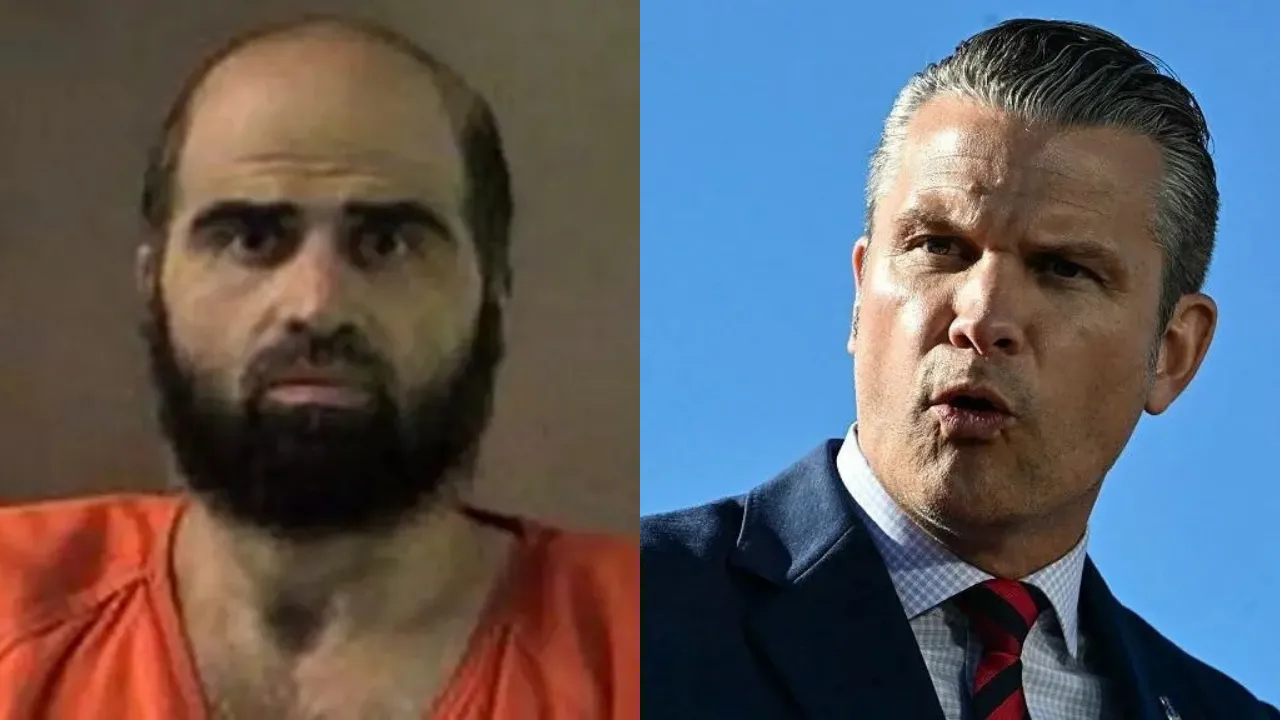

WASHINGTON — In a decision that is both legally and ethically unconventional, the Pentagon is set to publicly broadcast the execution of Nidal Hasan. Hasan, a former Army psychiatrist, killed 13 unarmed soldiers at the Fort Hood military base in 2009. The execution, scheduled for December 3 in Texas, will be carried out by a firing squad and broadcast live to the public. This will mark the first public execution in the United States in nearly a century.
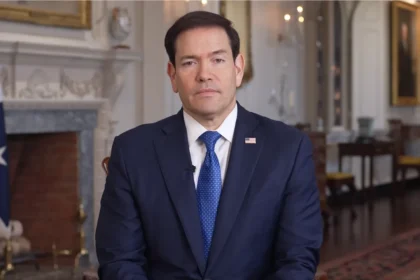
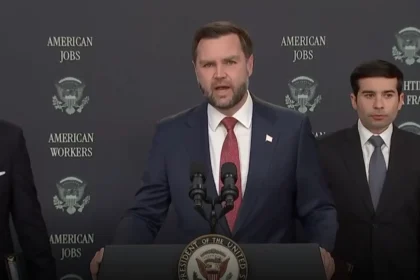
Defense Secretary Pete Hegseth confirmed this unique decision, stating that it is essential for the American public to witness the severe consequences of such atrocities. The Department of Defense confirmed that President Donald Trump has approved Hegseth’s recommendation regarding the execution.
In an interview with the conservative network ‘Real America’s Voice,’ when asked if Hasan had made any final requests, Hegseth flatly dismissed the notion. He stated that he was unconcerned with any requests from the prisoner; Hasan would simply have to face a military firing squad—as he ought to—and on December 3, they would simply see him.
Survivors Call for Unimpeded Justice
For the survivors of the 2009 massacre, the upcoming execution represents justice long overdue. Former U.S. Army Sergeant Alonzo Lunsford, who was shot seven times during the slaughter inside a crowded medical building, strongly advocates for the firing squad as the appropriate method of execution for this crime.
Lunsford intends to be present at Fort Hood when the shots are fired. While he has expressed objections to minors viewing the broadcast, he insists that the families of the fallen and the survivors have the right to witness the execution without restriction. His primary goal is to convey a clear message of courage by looking Hasan in the eye during his final moments, ensuring the attacker realizes he failed—because Lunsford is still standing.
During his 2013 court-martial, Hasan confessed to the killings and claimed he carried out the bloodshed to protect Muslims and the Taliban in Afghanistan.
Legal Uncertainty and Strong Opposition
The decision to broadcast the government-sanctioned execution live has sparked immediate political outrage and raised legal questions. Democratic Senator Chris Murphy has criticized the planned broadcast, calling it abhorrent and comparing it to public executions carried out by the Islamic State.
Legal experts are equally perplexed by the technical aspects of the broadcast. John Mills, a defense attorney specializing in capital punishment cases, described the decision as legally uncertain and a publicity stunt by the Trump administration. Mills noted that Hasan’s appeals process is not yet complete. He anticipates that defense counsel will petition a federal court for a review of the sentence, a move that could potentially postpone the scheduled December execution date indefinitely.
Broadcasting a military execution also presents complications regarding technical and procedural matters. Deborah Denno, a law professor at Fordham University and an expert on execution methods, explained that live broadcasting offers the country a level of transparency never experienced before. While many states allow journalists or citizen volunteers to witness executions behind closed doors, broadcasting such events online raises significant challenges regarding age restrictions and the internal policies of streaming platforms.
Nevertheless, Denno acknowledged that a large segment of the population still supports capital punishment; thus, such broadcasts compel people to confront the reality of how the death penalty is actually carried out, rather than ignoring the process.
A Historic Shift in Military Justice
If the execution takes place on December 3, it will mark the end of a long historical hiatus in military executions. The U.S. military has not executed a soldier since 1961, when a private was hanged in Austria—with the authorization of President Dwight D. Eisenhower—for the rape of an 11-year-old girl.
Furthermore, a military firing squad has not been used since January 1945, when Private Eddie Slovik, a deserter, was executed by firing squad during the final months of World War II.
The resumption of federal executions is linked to a major policy shift. The U.S. government had effectively halted federal executions for 17 years until the final year of Trump’s first term, during which 13 executions were rapidly carried out. Upon returning to power, Trump immediately lifted the moratorium on federal executions that had been implemented by his predecessor, Joe Biden.
Public executions are rarely carried out worldwide. According to Amnesty International, out of the more than 2,700 executions recorded across 17 countries last year, public executions were carried out only in Iran and Afghanistan.