

WASHINGTON — Just hours after a former judge of the International Criminal Court (ICC) was awarded the Nobel Peace Prize, the United States imposed sweeping sanctions on the tribunal, putting the Trump administration on a direct diplomatic collision course with its European allies.
While the U.S. had previously targeted only specific prosecutors and judges, Friday’s decision is far more severe. The new sanctions aim to cripple the Hague-based court’s operations by penalizing international entities—such as banks, insurance companies, and software suppliers—that conduct business with it.
‘End Its Threats, or We Will End the ICC’
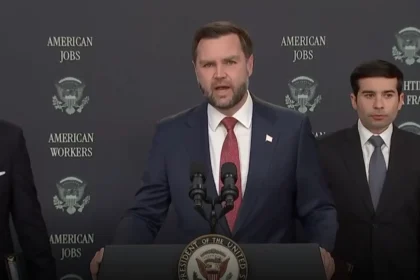
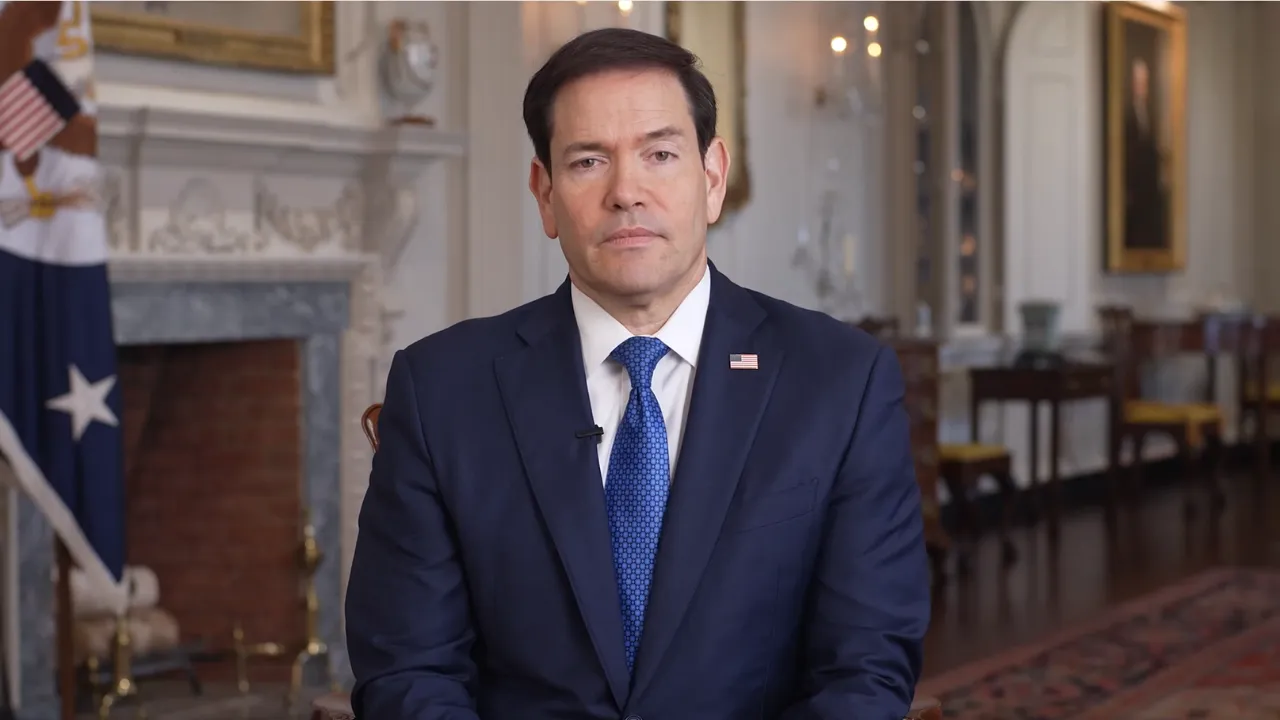
Secretary of State Marco Rubio outlined the administration’s hardline stance in a sharp statement, emphasizing that President Donald Trump would never permit the court to prosecute American citizens.
“We will ban transactions with this rogue court, cutting off their resources and crippling its ability to operate,” Rubio declared. He framed these sanctions as an ultimatum to U.S. allies, demanding that member nations reliant on American military protection take the initiative to rein in the tribunal. “Either the ICC will end its threats, or we will end the ICC,” he added.
The Hague-based court enjoys the backing of 125 nations, including all members of the European Union and NATO, with the notable exceptions of the U.S. and Turkey. ICC Deputy Prosecutor Nazhat Shameem Khan immediately condemned the U.S. decision, describing the sanctions as a direct attempt to undermine international rule of law and affirming the court’s resolve to continue its investigations without interruption.
A Striking Nobel Coincidence
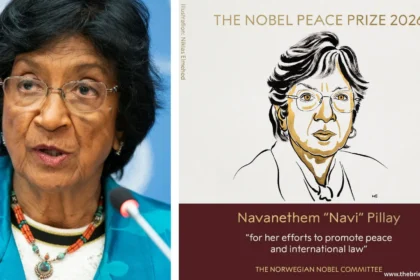
The timing of Washington’s announcement marked a profound twist in this geopolitical battle. Earlier that same day, South African jurist Navi Pillay—who served as a judge in the ICC’s Appeals Chamber from 2003 to 2008—was awarded the Nobel Peace Prize.
The Norwegian Nobel Committee explicitly stated that the award was intended to highlight the intense political attacks currently facing international law judges and institutions. They emphasized that holding war criminals accountable is a fundamental prerequisite for global peace.
Years of Mounting Tension and Preparations
The roots of the hostility between Washington and the ICC lie in the court’s efforts to secure arrest warrants against senior Israeli officials—including Prime Minister Benjamin Netanyahu—as well as a now-closed investigation into the actions of U.S. troops in Afghanistan.
The Trump administration previously imposed sanctions on court officials during its first term. While President Joe Biden briefly rescinded those measures, they were strictly reimposed and expanded just days after Trump returned to power in January 2025.
Anticipating the possibility of a total economic blockade, ICC officials have been preparing for months. The court has quietly migrated its infrastructure from Microsoft software to open-source alternatives and scrambled to secure new banking and health insurance systems. Earlier this week, ICC Registrar Osvaldo Zavala Giler appealed to the EU to activate a “blocking mechanism” designed to shield European institutions from the extraterritorial reach of U.S. sanctions.
Despite the stern rhetoric, Washington has left a narrow window open for diplomatic maneuvering. Immediately following the announcement, the U.S. Treasury Department issued four general licenses exempting certain transactions related to telecommunications, software, pensions, and detainees. According to Rubio, this step was deliberately structured to give allied member states an opportunity to negotiate a solution addressing U.S. concerns before the financial restrictions tighten completely