

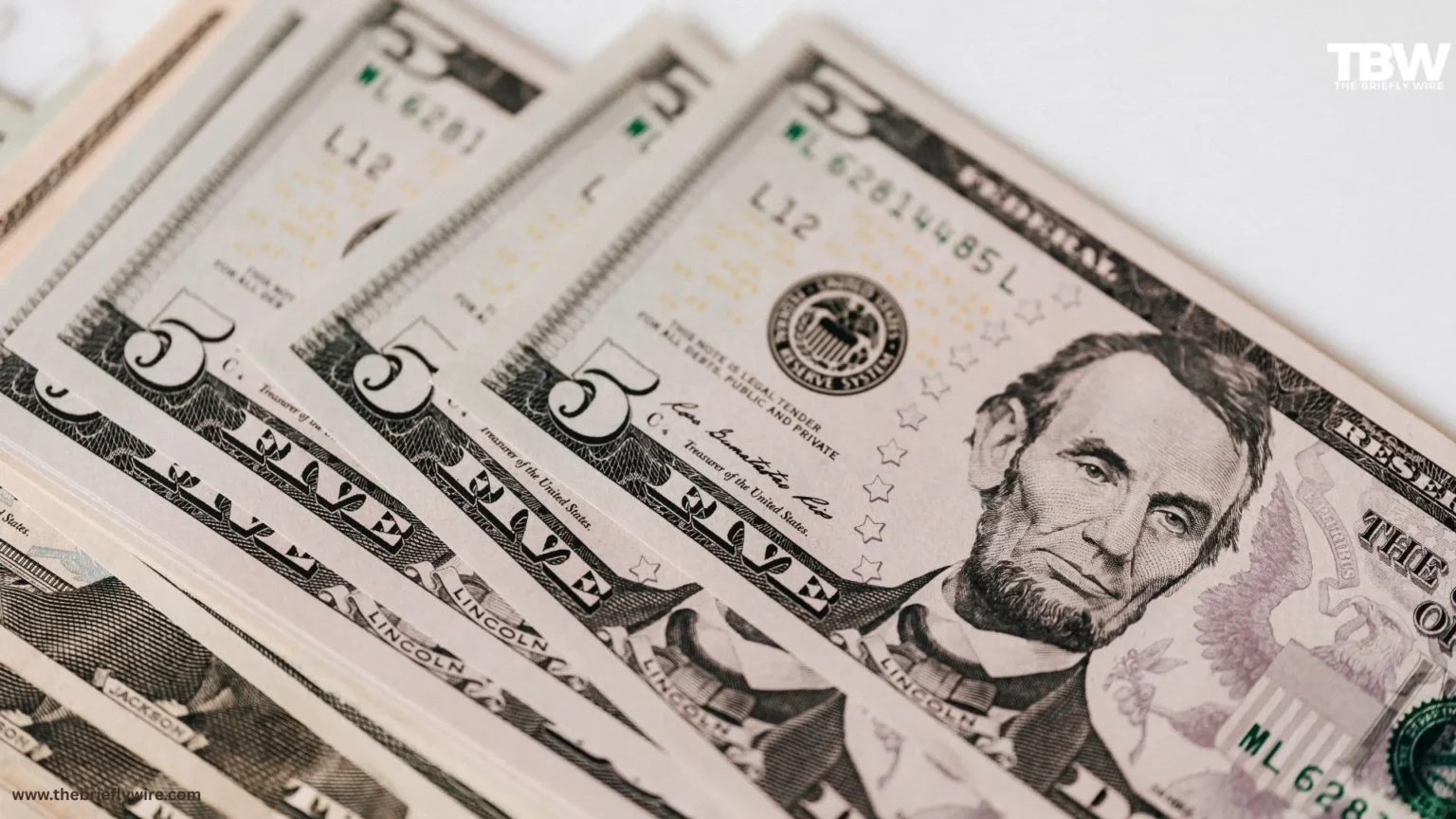

You have likely heard about the trillions of dollars in debt the United States carries a situation that has concerned many other nations.
- What are US Treasury bonds?
- How do US Treasury bonds work?
- Why does America sell Treasury Bonds?
- What is the difference between Treasury Bills, Notes, and Bonds?
- Who buys US Treasury bonds?
- Which countries hold the most US Treasury bonds?
- Are US Treasury bonds safe?
- What is the difference between Treasury Bonds and Fixed Deposits?
- What is the difference between Treasury bonds and corporate bonds?
- What is an investment in India similar to Treasury Bonds?
- Conclusion
- Frequently Asked Questions (FAQs)
You might also wonder: from whom does such a wealthy nation, recognized globally as a superpower, borrow so much money? Which country is large enough to lend to the US? The answer lies in US Treasury Bonds.
US Treasury Bonds are frequently discussed in the context of America’s mounting debt. If you want to know what these bonds are, how they work, how they are used, and where to buy them, this article explains Treasury Bonds in simple, easy-to-understand language.
What are US Treasury bonds?
When the US government needs funds, it issues a guarantee document in exchange for money; this is known as a Treasury Bond. These bonds are issued by the US Department of the Treasury and are also referred to as ‘US Government Bonds.’ With these bonds, the government provides a legal guarantee to pay you interest at a fixed rate for a specified period.
How do US Treasury bonds work?
Let us look at how this works; the process is quite simple. It involves three key elements: the principal amount, a fixed interest rate, and a specific tenure. Suppose you purchase a $1,000 US government Treasury bond.
The government agrees to pay you 5% annual interest, and the bond has a tenure of 20 years.
This means you have paid $1,000 for a certificate that guarantees the government will pay a fixed rate of interest for a set period; in effect, by purchasing the bond, you have lent money to the US government.
The government will then pay you $50 in interest annually for 20 years. Once the 20-year term concludes, your original principal of $1,000 will be safely returned to you.
Why does America sell Treasury Bonds?

Running any country requires vast amounts of money. When the US government’s expenditure exceeds its tax revenue, the situation is known as a budget deficit.
To cover this deficit, the US issues bonds for sale. The funds raised from these bonds are spent on various government initiatives, such as infrastructure, military expenses, pensions, and healthcare.
However, as the US government sells these bonds, the country’s debt continues to rise.
What is the difference between Treasury Bills, Notes, and Bonds?
The American government sells bonds with varying maturities based on its requirements. If the maturity period of the debt is one year or less, it is known as ‘Treasury Bills’ (T-Bills), offering the investor a direct return upon maturity.
Debt with a maturity of 2 to 10 years is called ‘Treasury Notes’ (T-Notes), while very long-term debt spanning 20 to 30 years is referred to as ‘Treasury Bonds’ (T-Bonds). For both Notes and Bonds, investors receive fixed interest payments every six months.
Who buys US Treasury bonds?
These bonds are purchased by ordinary American citizens, major banks, and pension funds. Moreover, US bonds are considered the safest in the world, generating immense global demand.
Governments and central banks of many countries purchase large quantities of US bonds to safely hold their dollar reserves.
Which countries hold the most US Treasury bonds?
Currently, Japan ranks first among countries investing in the United States, holding US Treasury bonds worth more than $1 trillion. China follows in second place with investments of approximately $750 to $800 billion. The United Kingdom holds the third position, while Canada ranks fourth.
Are US Treasury bonds safe?
US Treasury bonds are considered one of the safest investments in the world. However, certain risks—such as changes in interest rates, inflation, and currency exchange rates—persist. Therefore, it is essential to conduct thorough research before investing in such bonds.
What is the difference between Treasury Bonds and Fixed Deposits?
There are some significant differences between bank FDs and Treasury bonds. FDs are backed by a bank guarantee, whereas Treasury bonds carry the direct guarantee of the US government.
While FDs typically range from a few days to 10 years in tenure, Treasury bonds can have maturities of 20 to 30 years.
The most important difference is that banks impose a penalty for premature withdrawal of FDs, whereas Treasury bonds can be sold in the market before maturity without any penalty.
What is the difference between Treasury bonds and corporate bonds?
The most significant difference between Treasury bonds and corporate bonds lies in their level of safety. Treasury bonds are backed by the national government, making them safer than corporate bonds, which are issued by private companies.
However, due to this government backing, Treasury bonds offer lower interest rates. In contrast, corporate bonds generally provide higher yields because they carry a certain degree of default risk; to attract investors, private companies offer higher interest rates compared to government bonds.
What is an investment in India similar to Treasury Bonds?
Just as the US has Treasury bonds, both the central and state governments in India issue their own bonds; these are known as Government Securities (G-Secs).
These include Treasury Bills for shorter tenures and Government Bonds for longer tenures.
Additionally, highly secure options such as ‘RBI Retail Direct’ and ‘RBI Floating Rate Bonds’ are available in India for investment by the general public.
Conclusion
Treasury bonds are a crucial component of the global economy. Regardless of which country you live in, the interest rates on these US bonds impact your personal finances, gold prices, and stock market investments.
This article provides comprehensive information on what Treasury bonds are, how they function, how they are utilized, and where they can be purchased. We hope this article has provided you with a clear understanding of the subject.
Frequently Asked Questions (FAQs)
Who can buy US Treasury bonds?
Any American citizen, institution, or foreign government can purchase these bonds.
Can the common person in India invest directly in US Treasury Bonds?
Direct investment is somewhat difficult, but you can invest in Indian mutual funds that invest in American securities.
What is the main difference between Treasury Bills and Treasury Bonds?
Treasury bills have a maturity of less than one year, whereas Treasury bonds have a long-term maturity of 20 to 30 years.
What will happen to the bonds if the American government collapses?
The likelihood of this is virtually zero. Nevertheless, if it were to happen, the entire global economy and the stock market would suffer a massive shock.