
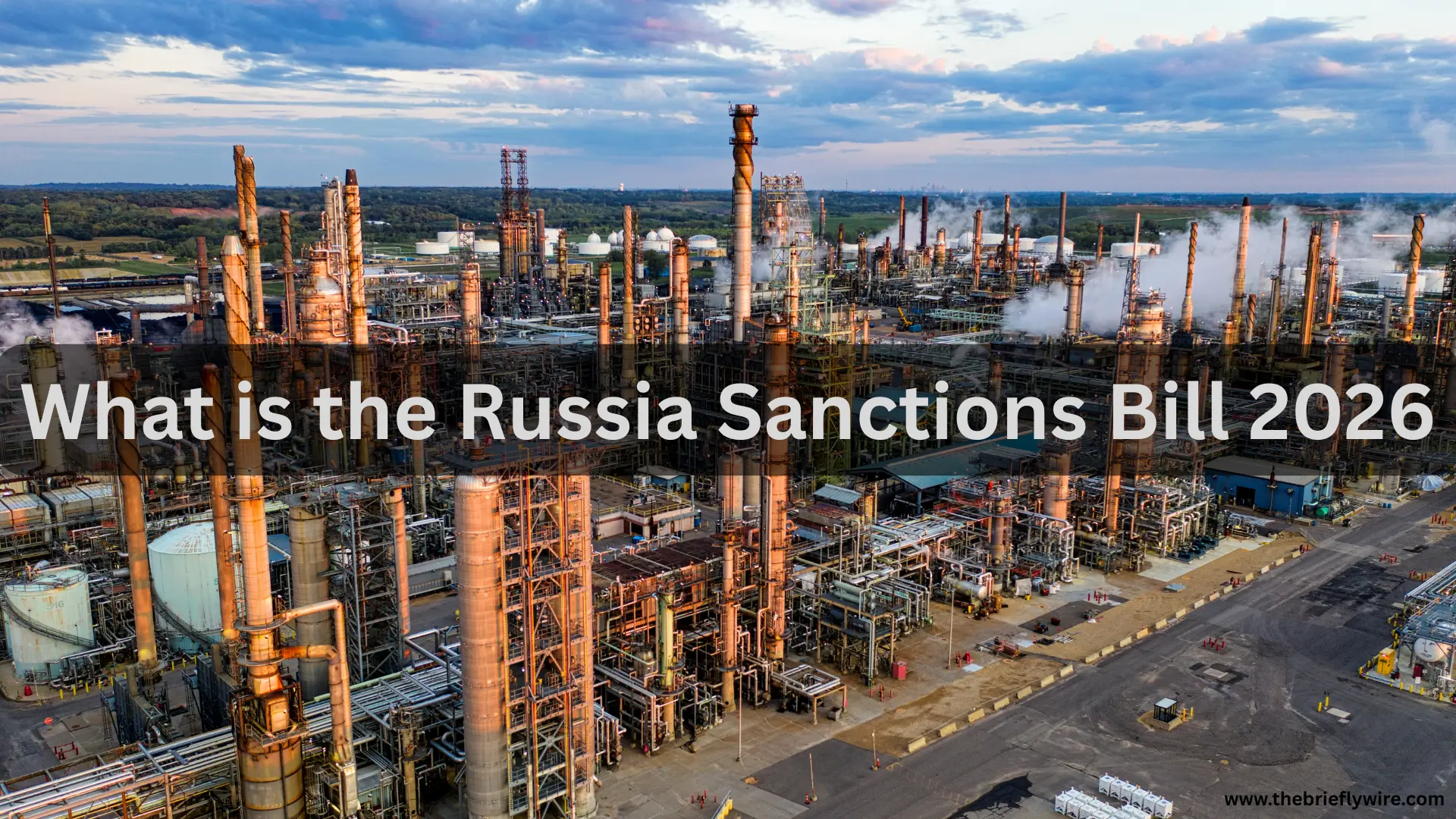

The Russia sanctions bill is currently a major topic of discussion, primarily because India could once again face the impact of US tariffs. The US Senate has passed this bill with an overwhelming majority of 86 to 11. In this article, we will examine the details of the bill and look at which other countries, alongside India, might be affected by it.
- What is the Russia Sanctions Bill?
- Why has the US imposed sanctions on Russia?
- What exactly are the provisions in the bill?
- What is a 100% tariff?
- Does India face the risk of a 100% tariff?
- What could happen if a 100% tariff is imposed on India?
- Russia Sanctions Bill and India-Russia Oil Trade
- Will this have an impact on China as well?
- What impact will this have on Russia?
- What does the US aim to achieve through this bill?
- Russia Sanctions Bill vs Previous Proposal
- Conclusion
What is the Russia Sanctions Bill?
The official name of the bill passed by the US Senate is the “Lindsey O. Graham Sanctioning Russia and Iran Act of 2026.”
The primary objective behind introducing this bill is to exert economic pressure on Russia’s oil and natural gas revenues. Since Russia’s economy relies heavily on the export of oil and natural gas, this move by the US aims to weaken the country in that sector.
The bill also incorporates sanctions related to Iran, thereby aiming to create an economic squeeze on both nations simultaneously.
Under this bill, a 100% tariff will be imposed on oil and natural gas imported from Russia by countries such as India and China.
Why has the US imposed sanctions on Russia?
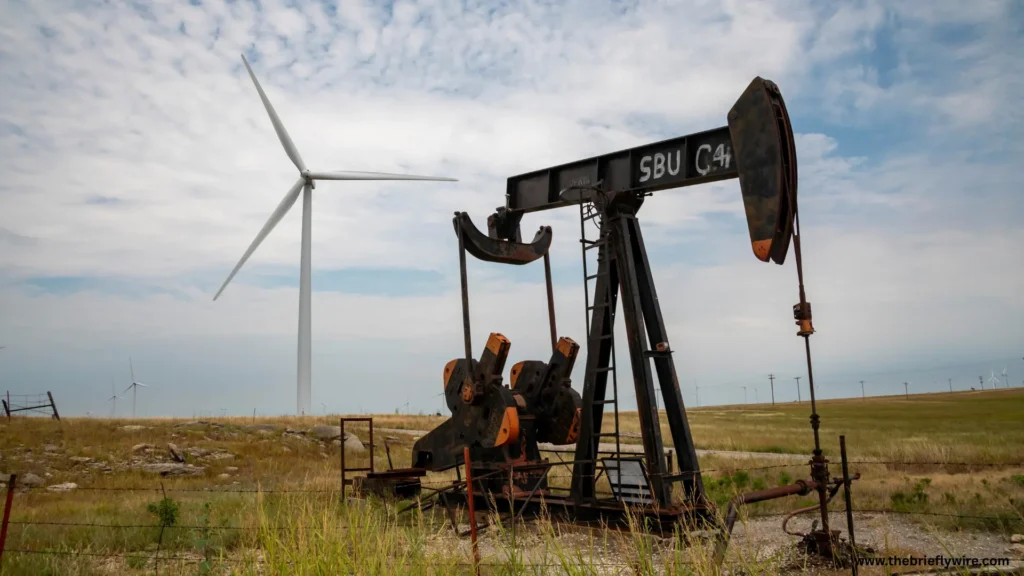
Due to the ongoing war between Russia and Ukraine, the United States has decided to impose strict sanctions on Russia. The primary objective behind this bill is to weaken Russia’s war economy and exert economic pressure on the country.
Russia primarily generates the funds required for the war through the export of oil and natural gas; consequently, while sanctions have been imposed on Russia, any country importing oil and natural gas from it will also face the impact of tariffs.
The underlying aim of this bill is to weaken Russia’s economic position.
What exactly are the provisions in the bill?
This bill incorporates stringent provisions designed to hem in Russia from all sides. It imposes direct sanctions on Russian government officials and ultra-wealthy businesspeople.
Additionally, it targets Russia’s financial institutions and key energy projects. A significant feature of the bill is the provision to take action against Russia’s ‘shadow fleet.’ Furthermore,
the bill proposes imposing tariffs on other countries that purchase Russian oil and gas, thereby directly targeting sectors linked to Russia’s war economy.
What is a 100% tariff?
Let us understand exactly what a 100% tariff means with a simple example. Suppose a product exported from India to the US has a base price of $100. If the US imposes a 100% tariff, an additional import duty of up to $100 could be levied on that product.
As a result, the price of the product in the US would jump to $200, making it expensive for ordinary citizens; consequently, the product would not sell as well in the market as before, and the company would suffer the consequences.
Does India face the risk of a 100% tariff?
India faces the risk of a 100% tariff primarily because it is the world’s largest buyer of Russian oil. Russia sells this crude oil to India at discounted rates, and India not only processes it but also exports the refined product to other countries.
Consequently, the US has accused India of providing economic support to Russia amidst the Russia-Ukraine conflict. India has repeatedly maintained that it is acting solely in the interest of its citizens; the country has resolved to source oil wherever it is available at the lowest price and refuses to make decisions under pressure from any nation.
However, this proposed bill could directly impact India-US trade. If the US imposes this tariff, Indian exporters shipping goods to the US could suffer a significant financial blow. For this reason, major buyers of Russian energy—including India and China—have become the focus of intense global discussion due to this proposal.
What could happen if a 100% tariff is imposed on India?
If a 100% tariff were imposed on India, it could have significant repercussions; primarily, Indian exports could be severely impacted, potentially creating indirect pressure on domestic petrol and diesel prices.
A decline in exports could reduce the inflow of foreign currency, negatively affecting the Indian rupee and potentially causing its value to depreciate.
This situation poses a risk of significant volatility in the stock market and could lead to rising inflation within the country. Furthermore, it could cast doubt on potential future trade agreements between India and the United States.
Russia Sanctions Bill and India-Russia Oil Trade
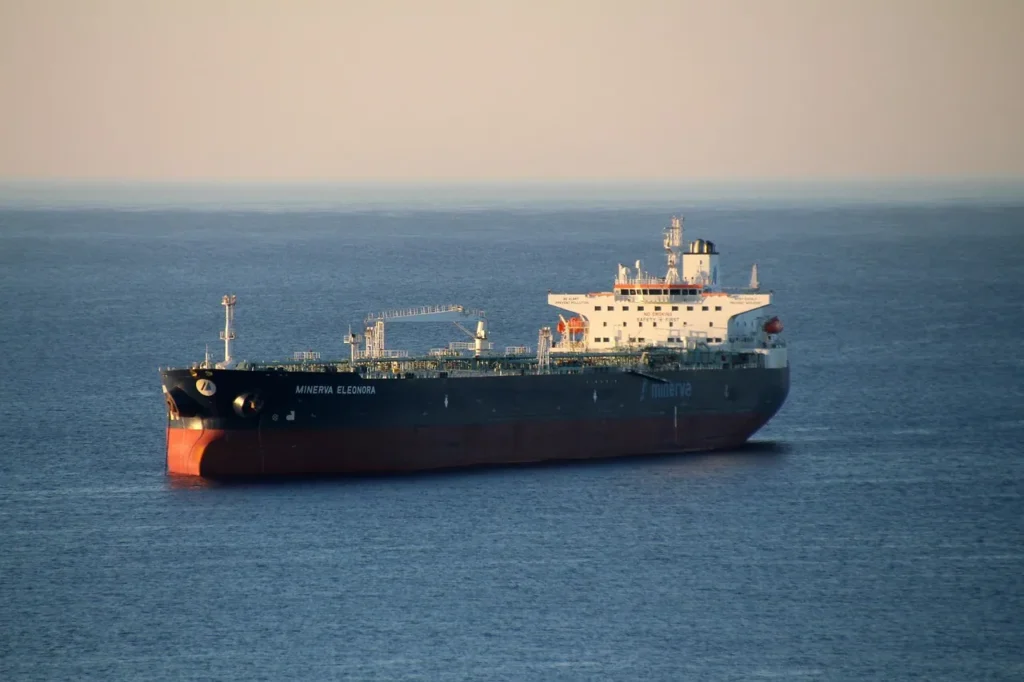
It is crucial to understand the dynamics involving the Russia sanctions bill and the India-Russia oil trade. Under the current supply chain, crude oil is imported from Russia to India, processed and refined at Indian refineries, and subsequently sold in the domestic market or exported to other countries.
Consequently, the sanctions proposed in this bill could impact not only Russia but also major energy buyers like India.
Will this have an impact on China as well?
This bill is likely to have a significant impact not only on India but also on China. China is also a major buyer of Russian oil and natural gas.
Consequently, these new US tariffs will affect China as well as India. The US deems it necessary to exert pressure on Russia’s largest customers in order to weaken the country economically.
What impact will this have on Russia?
This bill is likely to place Russia’s economy in a severe bind. It represents a major effort to curtail the primary revenue Russia derives from oil.
This move will exert immense global pressure on Russian energy exports. Furthermore, it targets the “shadow fleet” that Russia uses to circumvent sanctions and sell oil covertly. The cumulative effect of these measures will be a significant strain on the Russian government’s coffers.
According to the US, once Russia faces economic pressure, it will reduce its military spending, potentially bringing the Russia-Ukraine war to an early end.
What does the US aim to achieve through this bill?
Through this bill, the US aims to exert economic pressure on Vladimir Putin’s government. A primary objective for the US is to rapidly reduce the funds and revenue Russia receives for the war in Ukraine.
The US seeks to isolate Russia globally by pressuring countries that purchase Russian oil.
Russia Sanctions Bill vs Previous Proposal
This bill had been introduced previously as well, but significant changes have been made in the new version compared to the old one. A comparison between the earlier and current versions of the bill reveals some key modifications.
Initially, when the proposal was under discussion, there was talk of imposing tariffs of up to 500% on countries trading with Russia—a move considered extremely drastic. However, the revised bill reflects a compromise, with tariffs of up to 100% now proposed for major buyers of Russian energy.
Conclusion
In this article, we have explored the details of the ‘Lindsey O. Graham Sanctioning Russia and Iran Act of 2026 ‘, also known as the Russia Sanctions Bill, including which countries will be affected and, crucially, what impact it will have on India. We hope this article has provided you with all the necessary information.