


In the twentieth century, crude oil gave a new direction to the global economy, politics, and the industrial revolution.
Countries possessing vast oil reserves established their dominance over the global economy.
However, in the twenty-first century, as the world rapidly shifts towards digital technology and green energy, the centers of global security and economics are beginning to shift.
In this era of digital technology, crude oil is being superseded by ‘Rare Earth Minerals.’
These minerals are extensively used in a wide range of high-tech applications, from the advanced smartphones in our hands and electric vehicles on our roads to wind turbines generating electricity and even missiles.
Consequently, in the realms of global politics and economics, these minerals are being referred to as the “new oil of the 21st century.”
In this article, we will explore in simple language what rare earth minerals are, their significance, why they are being called the “new oil,” and why they will prove to be crucial for India and the entire world.
- What are rare earth minerals?
- Why are rare earth minerals so important?
- Use in electric vehicles (EVs)
- Smartphones and Electronics
- Wind power and solar energy
- Defense and Military Technology
- Why are rare earth minerals called “the new oil”?
- Growing importance in the global economy
- Control over the supply chain
- Rising global demand
- Geopolitical competition
- Which countries have the largest reserves of rare earth minerals?
- Key uses of rare earth minerals
- Electric vehicle batteries
- Permanent Magnets
- Medical equipment
- Computers and Mobile Phones
- Missiles and fighter jets
- Challenges in Obtaining Rare Earth Minerals
- Impact of mining on the environment
- The processing of rare earth minerals is expensive and complex.
- Limited supply
- Energy security
- Will the importance of rare earth minerals increase in the future?
- 1. Green Energy Revolution and the ‘Net-Zero’ Goal
- 2. The Era of Artificial Intelligence (AI) and Robotics
- 3. Global Politics and Trade War (Geopolitical Shift)
- 4. State-of-the-art defense technology
- Rare Earth Minerals vs. Oil
- Common Misconceptions About Rare Earth Minerals (Myth vs. Fact)
- 1. Misconception: These minerals are extremely rare in the world.
- 2. Misconception: These minerals are found only in China.
- 3. Misconception: Rare earth minerals mean lithium.
- 4. Misconception: It is impossible to recycle these minerals.
- 5. Misconception: These minerals are ‘green’ for the environment.
- Conclusion
What are rare earth minerals?
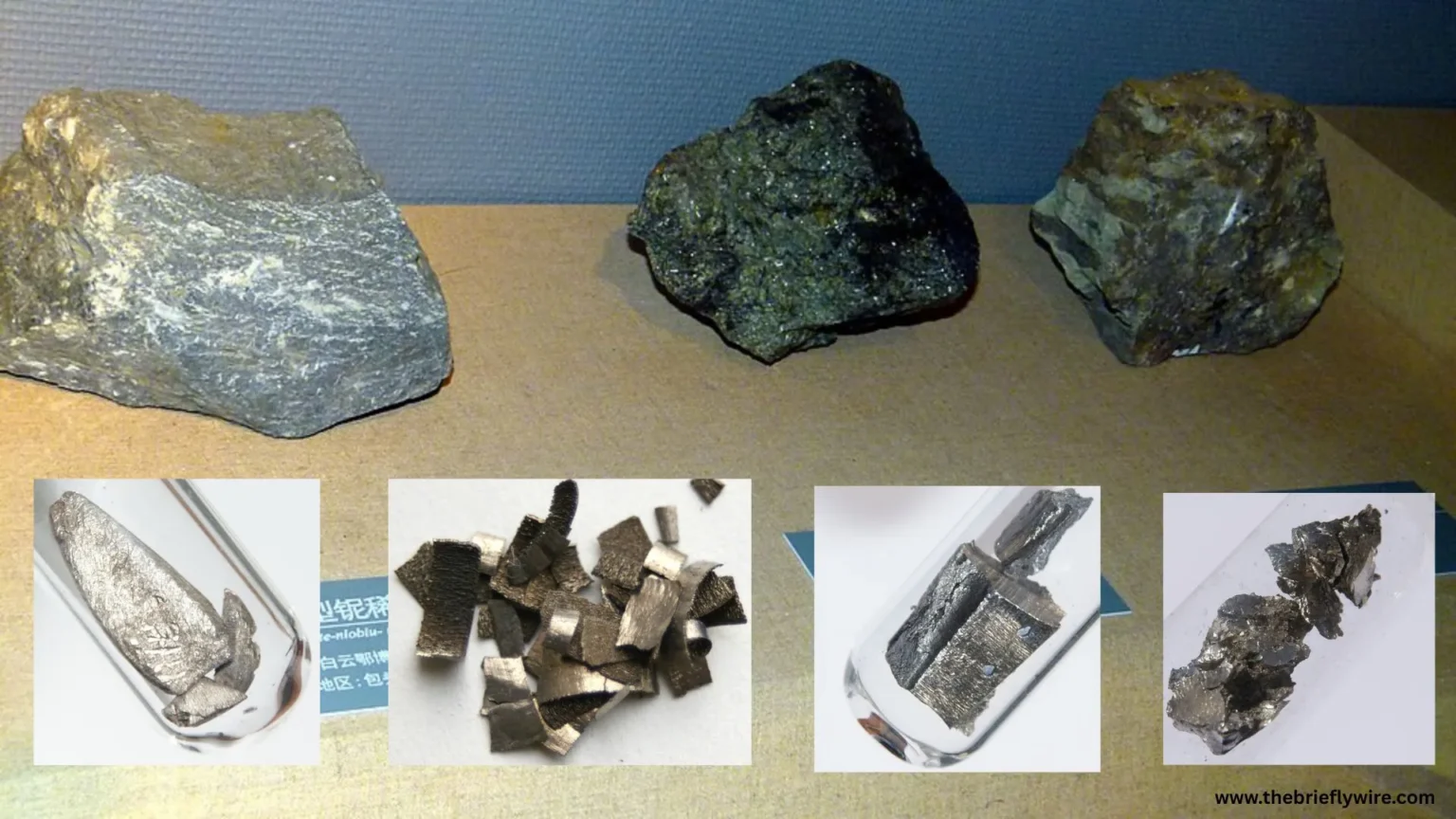
You might be wondering what exactly “rare earth minerals” are. Rare earth minerals (or rare earth elements) are a group of 17 specific metals from the periodic table, comprising 15 lanthanides along with the metals scandium and yttrium.
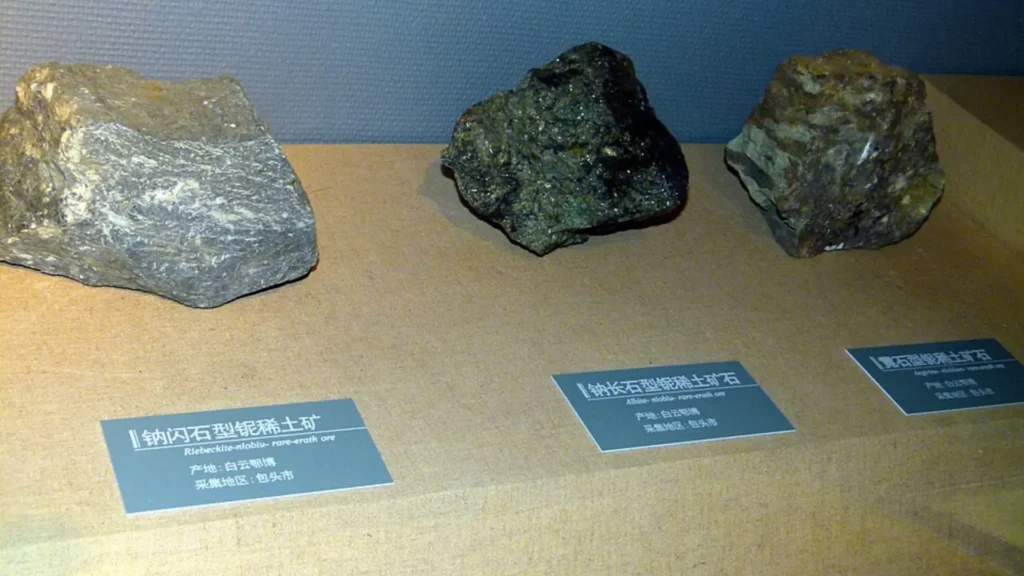
Although the term “rare” is part of their name, these minerals are not actually scarce within the Earth’s crust.
The primary reason they are termed “rare” is that they are not easily found in large, concentrated deposits or in a pure state.
These metals occur in a highly dispersed form, intermingled with other minerals; consequently, extracting them from the ground and separating them through chemical processes is extremely difficult and costly.
Their unique magnetic, luminescent (light-emitting), and electrochemical properties make them vital for modern technology.
Metals such as lithium, neodymium, dysprosium, and europium are utilized in everything from the digital devices we use daily to advanced military equipment.
In today’s technology-driven era, the production of electronic goods, green energy systems, and electric vehicles is considered virtually impossible without these rare earth minerals; this is why they have secured a pivotal position in the global economy and geopolitics.
Why are rare earth minerals so important?
In today’s digital era, the importance of rare earth minerals has grown unprecedentedly.
These minerals act as catalysts to drive progress and enhance efficiency across every sector of modern technology.
The unique physical and chemical properties possessed by these minerals are not easily found in any other metals.
- There is currently no viable alternative to them for tasks such as manufacturing high-performance magnets, providing thermal insulation, ensuring smooth electrical current flow, and emitting light of various colors.
To maintain environmental balance, the world is currently rapidly shifting from fossil fuels to clean and green energy.
Rare earth minerals lie at the heart of this global transition.
These minerals have assumed immense global importance due to their necessity in a wide range of applications, from green technologies to advanced military equipment.
Use in electric vehicles (EVs)
Rare earth minerals play a crucial role in the manufacturing and performance of electric vehicles (EVs).
Minerals such as Neodymium, Praseodymium, and Dysprosium are primarily used to manufacture the highly powerful and lightweight electric motors employed in e-vehicles.
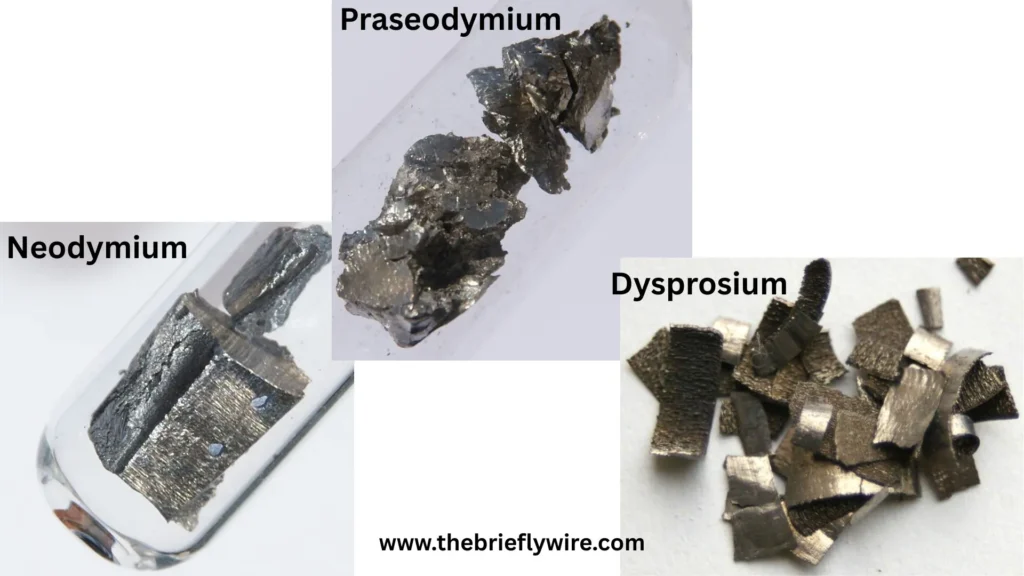
Permanent magnets made from these minerals do not lose their magnetic strength even at extremely high temperatures, enabling the vehicle to achieve higher torque and speed with less electricity.
Additionally, these minerals are used in the lithium-ion batteries and battery management systems (BMS) of electric vehicles.
These metals help extend battery life, facilitate ultra-fast charging, and enhance safety.
The demand for electric vehicles is growing rapidly amidst the green energy revolution, and consequently, their production relies entirely on the availability of rare earth minerals.
Smartphones and Electronics
Rare earth minerals play a significant role in the modern and compact design of smartphones, laptops, smart TVs, and other digital gadgets we use daily.
Extremely powerful magnets such as neodymium and praseodymium are used in components like the vibration motor, speaker, microphone, and camera auto-focus mechanism, making these devices highly efficient and compact.
Minerals such as europium, terbium, and yttrium are used in the touchscreen displays and color screens of phones.
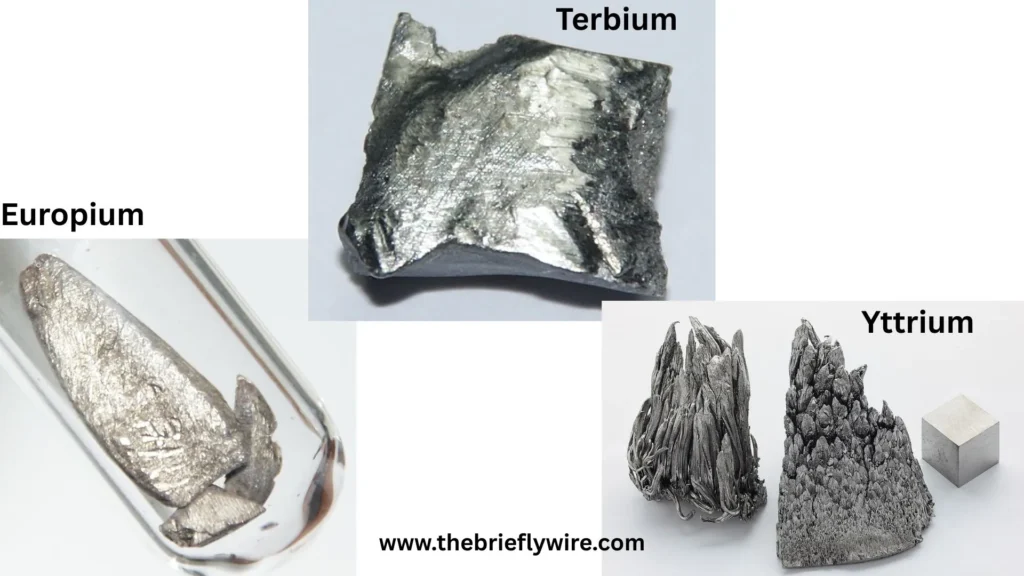
These metals provide screens with exceptionally clear, vibrant, and accurate colors. Furthermore, these minerals are regularly used in the manufacturing of computer hard drives, memory chips, and various circuit boards.
In short, modern digital devices and smart technology simply could not exist without rare earth minerals.
Wind power and solar energy
Rare earth minerals play a crucial role in the generation of eco-friendly and renewable energy.
Powerful permanent magnets made from the minerals Neodymium and Dysprosium are used in the turbine generators of wind turbines, which generate vast amounts of electricity from wind speed.
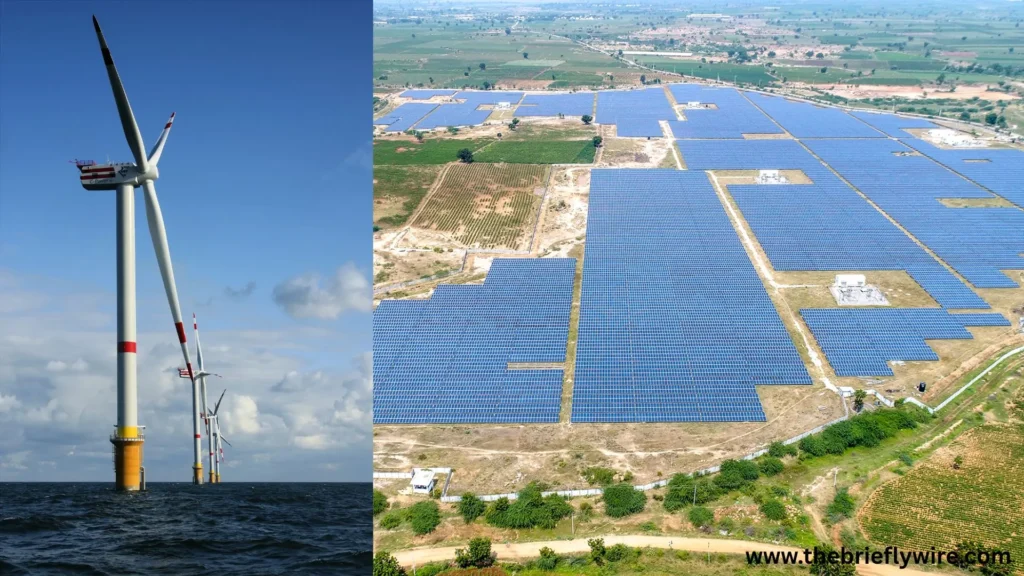
These magnets reduce the weight of generators and enable the production of significant amounts of electricity even at low wind speeds, thereby enhancing the efficiency of wind energy.
In the solar energy sector, rare minerals such as yttrium and Lanthanum are utilized in the manufacturing of solar panels and in the photovoltaic cells that convert sunlight into electricity.
These metals enhance the solar panels’ ability to absorb sunlight and improve their durability. Consequently, rare earth minerals are proving indispensable to the success of the rapidly unfolding global green energy revolution.
Defense and Military Technology
Rare earth minerals are considered strategically vital not only for civilian equipment but also for a nation’s national security and military strength.
These minerals are utilized in advanced weaponry, radar systems, night-vision equipment, and state-of-the-art warships employed in modern warfare.
Metals such as Samarium and Neodymium are used in the guidance systems and engines of precision-guided missiles and stealth fighter jets (e.g., the F-35); these metals function flawlessly even at high temperatures.

Furthermore, rare earth minerals are essential for manufacturing military communication systems, laser-guided weapons, submarine sonar systems, and armored vehicles.
From a security perspective, any disruption in the supply of these minerals could bring the nation’s entire defense production chain to a standstill.
That is why major global powers consistently strive to maintain complete control over the reserves of these rare minerals in order to safeguard their military capabilities and stay at the forefront of defense technology.
Why are rare earth minerals called “the new oil”?
Just as global transportation, economies, and international politics relied heavily on crude oil in the twentieth century, rare earth minerals have become the backbone of global technology and the economy in the twenty-first century.
Nations possessing vast reserves of crude oil once dominated the global market and energy supply.
Today, as the world moves towards green energy, digitalization, and an electronic revolution, these rare minerals have taken the place of crude oil.
Since it is impossible to manufacture electric vehicles, smartphones, wind turbines, chips, and advanced military weaponry without these minerals, there is now an intense global competition to secure control over them—much like the fierce rivalry that once existed over oil wells.
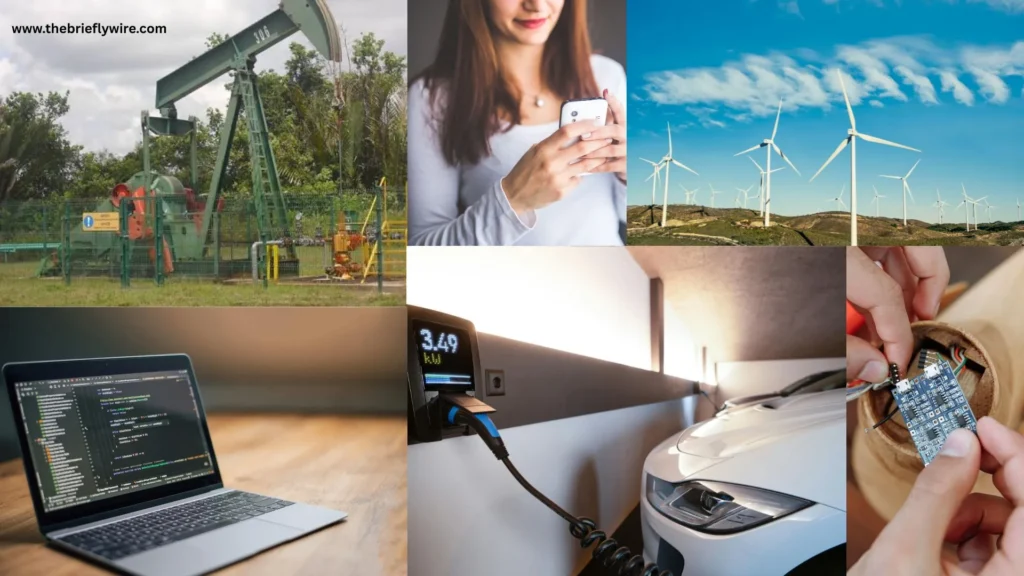
Another significant reason for labeling these minerals as “new oil” lies in their geographical monopoly and international strategic importance.
Just as OPEC nations have dominated oil production, a single country—China—currently holds a monopoly over more than 90% of the stages involved in the extraction and refining of rare earth minerals.
Global superpowers are haunted by the fear that China could halt the entire world’s manufacturing supply chain by restricting the supply of these minerals.
Consequently, the center of power in global politics has shifted from oil wells to rare earth mineral mines; this is precisely why rare earth minerals are being termed the “new oil” of the 21st century.
Growing importance in the global economy
Today, the foundation of the global economy is directly linked to digital and green technologies.
Industries such as electronics, automobiles, renewable energy, and semiconductors—which generate trillions of dollars in turnover—rely entirely on the supply of rare earth minerals.
If the supply of these minerals were to be disrupted—even briefly—production at major global companies could grind to a halt, resulting in losses amounting to billions of dollars.
The economic significance of these minerals extends beyond their extraction; it is rooted in the immense value of the high-tech products manufactured from them.
Just as fluctuations in oil prices once dictated global inflation rates and stock market trends, the prices of rare earth minerals in the international market now determine production costs.
Consequently, the role of these minerals in the global economy is becoming increasingly vital and entrenched, essential for sustaining economic prosperity and industrial development.
Control over the supply chain
Rare earth minerals are considered highly critical within the global supply chain.
The primary reason for this is that merely extracting these minerals is insufficient; the most challenging stage involves subjecting the raw ore to complex chemical processes for purification and subsequently utilizing them in high-tech equipment or magnets.
Currently, China holds a dominant position, controlling approximately 85% to 90% of the global processing and refining capacity.
Control of the entire supply chain by a single country or region poses a significant risk to the rest of the world.
Even a minor disruption in the supply chain during times of political tension can jeopardize major electric vehicle and electronics manufacturing industries across the US, Europe, and Asia.
Consequently, major nations worldwide are now focusing on diversifying supply chains and establishing new alternatives and local processing centers to reduce their dependence on China.
Rising global demand
As the world rapidly moves towards net-zero emissions, the global demand for rare earth minerals has reached historic levels.
According to International Energy Agency (IEA) projections, the demand for these rare minerals is set to triple or quadruple over the coming decade to support the expansion of renewable energy and combat climate change.
With governments worldwide promoting electric vehicles (EVs) and restricting petrol and diesel vehicles, the consumption of minerals like neodymium and dysprosium—essential for battery and motor manufacturing—has surged.
Additionally, factors such as technological expansion, the rollout of 5G and 6G networks, the need for advanced servers for Artificial Intelligence (AI), and the growing use of smart home devices have created significant demand for these minerals in the electronics sector.
With supply being limited and complex while demand rises rapidly, the value of these minerals in the global market is consistently skyrocketing, much like that of oil.
Geopolitical competition
Inequalities in the distribution of rare earth minerals have sparked a new geopolitical and diplomatic conflict on the global stage.
Just as Middle Eastern nations solidified their standing in global politics during the 20th century through their control over oil, China has established significant dominance in international diplomacy by securing control over the extraction and processing of rare earth minerals.
China utilizes this monopoly as a ‘geopolitical weapon’ in global trade and technology wars—a tactic it has demonstrated on numerous occasions in the past.
To counter this Chinese dominance, major nations such as the United States, Japan, Australia, and India have initiated cooperation through the ‘QUAD’ and other international alliances.
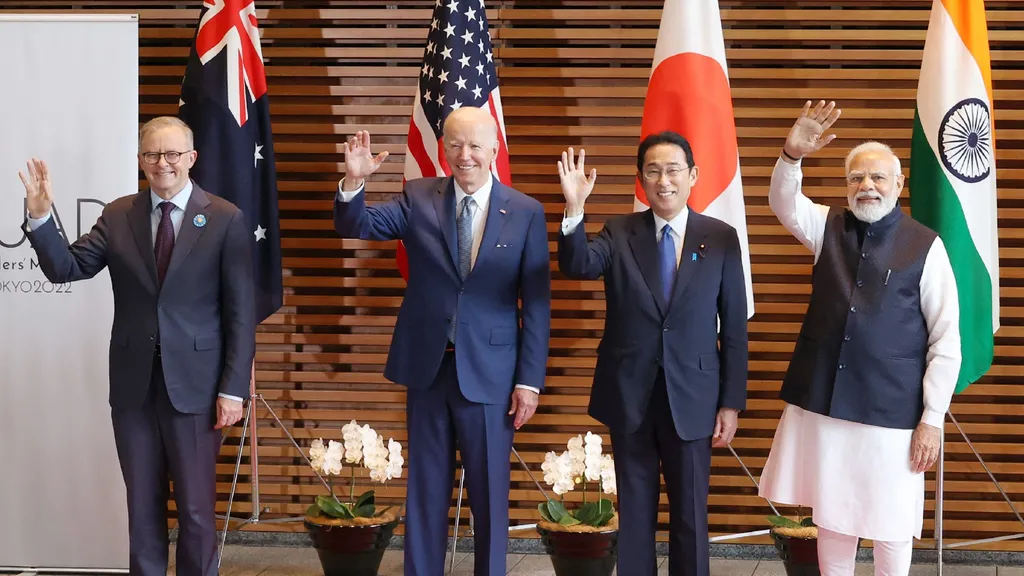
Western nations are now investing billions of dollars to identify new mines, establish processing plants, and strengthen supply chains in countries other than China to safeguard their national security and technology sectors.
This makes it evident that future global power struggles and international politics will revolve not around the control of oil, but around the control of rare earth minerals.
Which countries have the largest reserves of rare earth minerals?
Although rare earth minerals are found in various locations within the Earth’s crust, large, extractable reserves are concentrated in only a few countries.
According to data from the US Geological Survey (USGS), there are approximately 120 to 130 million metric tons of proven rare earth mineral reserves worldwide.
A stark disparity exists in the global distribution of these minerals; while a few nations possess vast reserves of these valuable resources, the rest of the world relies on them for supply.
When considering the reserves held by major nations, the following countries are included:
China
China is the world’s most powerful and leading nation when it comes to rare earth minerals.
China holds the top position globally, with reserves exceeding 44 million metric tonnes.
The ‘Bayan Obo’ mine in China’s Inner Mongolia region is considered the world’s largest rare earth mine.
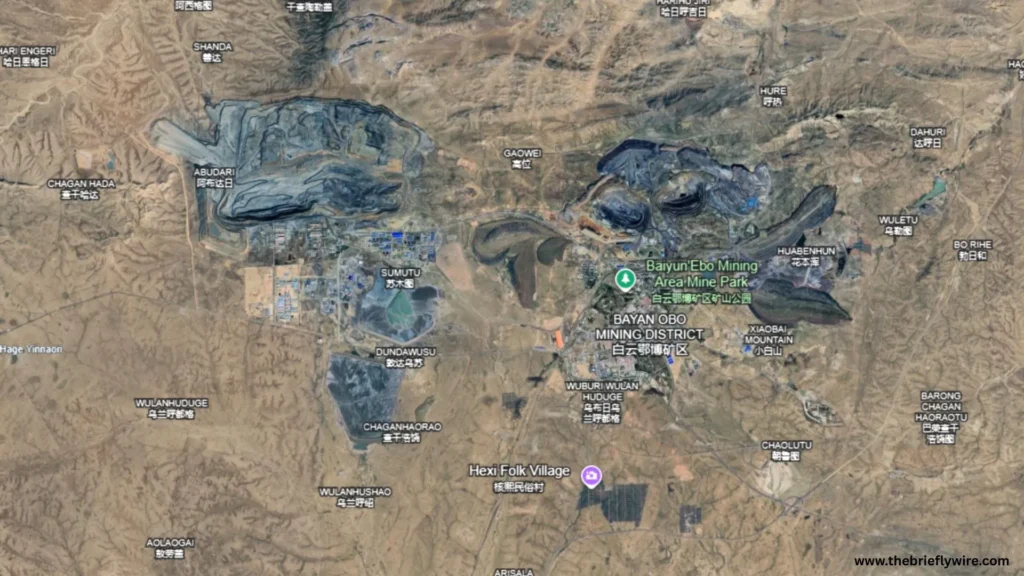
China possesses not only vast mineral reserves but also commands global dominance, accounting for nearly 90% of the extraction and, crucially, the chemical processing and refining of these minerals.
The primary reasons behind this unprecedented monopoly lie in China’s long-term policies spanning four to five decades, the availability of low-cost labor, and investments made by relaxing strict environmental regulations.
It is precisely because of this immense capacity that the global electric vehicle, electronics, and technology industries remain heavily dependent on China for their supply chains to this day.
Australia
Australia is considered a leading and significant country globally in terms of proven reserves and production of rare earth minerals.
Australia possesses reserves of approximately 4 million metric tonnes of rare earth minerals.
The ‘Mount Weld’ mine located there is one of the richest and highest-quality rare earth mineral deposits outside China, and its operations are managed by the major company ‘Lynas Rare Earths’.
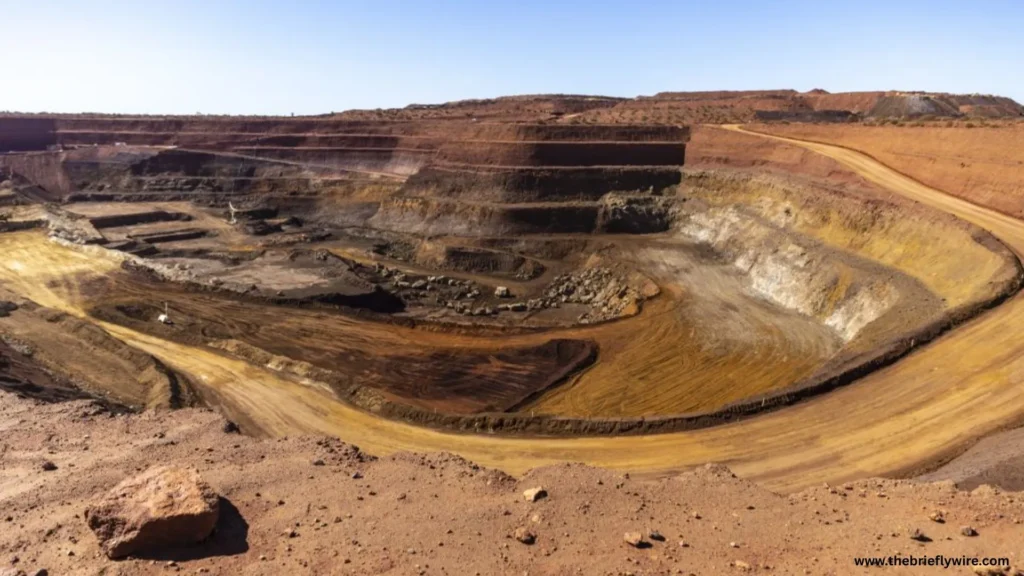
Australia is playing a pivotal role in reducing global dependence on China.
By partnering with nations such as the United States, Japan, and India, Australia is not only expanding its mining operations but also focusing on establishing advanced processing facilities both domestically and within allied countries.
Australia is at the forefront of creating a clean and reliable rare-earth supply chain for Western nations.
America
The United States possesses reserves of approximately 2.4 million metric tons of rare earth minerals.
‘Mountain Pass’ in California is the largest and only operational rare earth mineral mine in the U.S., where high-demand minerals such as neodymium and praseodymium are mined.
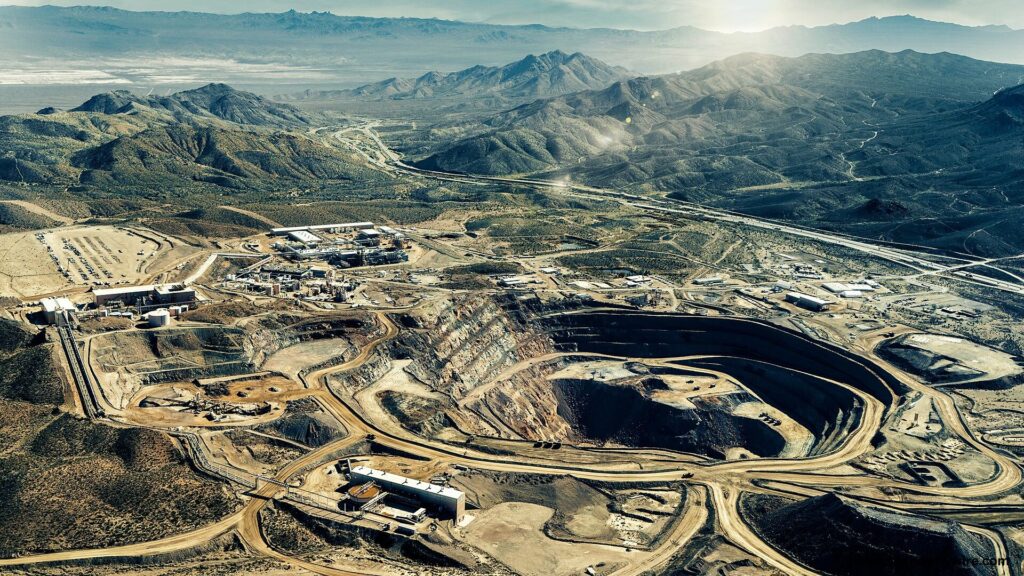
Until the end of the 20th century, the United States led the world in the production of these minerals; however, it subsequently lost its dominance due to environmental protection regulations and high costs.
Currently, the U.S. relies heavily on China and other foreign suppliers for the processing stages required for its military weaponry and electric vehicle industries.
However, due to escalating geopolitical tensions with China, the U.S. government has allocated billions of dollars in funding to restart domestic mining, refining, and processing operations as a matter of national security.
This is intended to eliminate the need to depend on China and other nations.
India
In terms of total rare earth mineral reserves, India ranks among the leading nations globally.
India possesses approximately 6.9 million metric tonnes of rare earth mineral reserves, accounting for nearly 6% of the world’s total stock.
Significant quantities of Monazite beach sands—a key source of these minerals—are found in the coastal sands of states such as Odisha, Andhra Pradesh, Tamil Nadu, and Kerala.
The extraction and primary collection of these minerals are carried out by the government-owned entity ‘Indian Rare Earths Limited’ (IREL).
Although India is rich in reserves, it still has significant strides to make in technologies related to commercial-scale refining, the separation of pure metals using advanced processes, and the manufacturing of powerful magnets or chips from these minerals.
Currently, the Government of India is making concerted efforts to enhance domestic processing capabilities through initiatives like ‘Make in India’ and the ‘Critical Minerals Mission’.
Brazil and Vietnam
Brazil (in South America) and Vietnam (in Southeast Asia) have emerged as key global players due to their immense potential regarding rare earth minerals.
Vietnam possesses vast reserves of rare earth minerals, estimated at approximately 22 million metric tons, while Brazil holds around 21 million metric tons.
In terms of reserves, Vietnam ranks second globally—following China—while Brazil ranks third.
However, despite these substantial reserves, commercial-scale extraction and refining in both countries remain limited due to a lack of modern technology, a shortage of funds, and environmental challenges.
To reduce global dependence on China, the United States, Japan, and the European Union are focusing on investing significant capital and technology in both Brazil and Vietnam; consequently, these nations could become major hubs in the global supply chain for rare earth minerals in the future.
Key uses of rare earth minerals
Rare earth minerals are the ‘invisible building blocks’ of modern science.
Although invisible to the naked eye, they are used in every piece of cutting-edge technology—from the mobile phones in our hands to satellites in space.
Due to their unique magnetic, light-emitting, and electrochemical properties, they are considered crucial in the following sectors.
Some of the key applications of these minerals are as follows:
Electric vehicle batteries
Rare earth minerals play a crucial role in enhancing the capacity and range of electric vehicles.
Minerals such as Lanthanum and Cerium are primarily used in the cathode and anode structures of the lithium-ion and nickel-metal hydride (NiMH) batteries found in electric vehicles.
These metals increase the battery’s energy density, enabling the vehicle to cover a greater distance on a single charge.
Additionally, these minerals are utilized in the electronic sensors and circuits of the Battery Management System (BMS).
These components help regulate the battery’s temperature, extend its lifespan, and prevent power loss during the charging process.
Therefore, these minerals are essential for manufacturing safe and long-lasting electric vehicles.
Permanent Magnets
The most significant and commercially substantial application of rare earth minerals is the production of ultra-powerful permanent magnets.
Magnets made primarily from minerals such as Neodymium, Samarium, Praseodymium, and Dysprosium are extremely compact yet many times more powerful than conventional magnets.
These ‘rare earth magnets’ are considered the backbone of modern technology.
They are primarily used in the following areas:
- Electric Vehicle (EV) Motors: To provide e-vehicles with immense speed and torque using minimal electricity.
- Wind Turbines: To generate maximum electricity from the wind by reducing the weight of the generator.
- Electronics: In smartphone vibration motors, camera auto-focus mechanisms, and loudspeakers, as well as in computer hard disk drives.
- Industrial Robotics: In servo motors required for automation and precise movements.
Medical equipment
Rare earth minerals are used in many state-of-the-art devices employed for accurate diagnosis and effective treatment in the medical field.
These minerals play a crucial role in making modern medical technology more advanced and safe.
Some of their key applications in medical devices are as follows:
- MRI Machine (Magnetic Resonance Imaging): The mineral Gadolinium is used as a ‘contrast agent’ in MRI scans, helping to produce clear and accurate images of soft tissues, tumors, and blood vessels within the body. Additionally, Neodymium is used for the powerful magnets found in MRI machines.
- Cancer Treatment: Radioisotopes of minerals such as Yttrium and Holmium are used in radiation therapy to treat cancer tumors.
- Cancer and Surgical Lasers: Yttrium-Aluminum-Garnet (YAG) lasers are used for eye surgeries, skin treatments, and precise surgical cutting.
- X-rays and PET Scans: Minerals such as Lutetium and Lanthanum are used in X-ray detectors and scanners to enhance image quality and clarity.
Computers and Mobile Phones
The smartphones and computers we use daily may be small in physical size, but they are technologically extremely complex.
Rare earth minerals play a crucial role in making all these digital devices smaller, faster, and more efficient.
Some of their key applications in these devices are as follows:
- Display and Screen Technology: Minerals such as Europium, Terbium, and Yttrium are used in the screens of smartphones, laptops, and computer monitors. These metals help enhance color accuracy, clarity, and brightness on the screen.
- Audio and Vibration Systems: Powerful magnets such as Neodymium and Praseodymium are used in the mobile’s speaker, microphone, and vibration motor, enabling the generation of excellent sound and vibration even within a compact size.
- Camera and Optics: Lanthanum and neodymium are used in smartphone camera lens coatings and autofocus mechanisms to ensure smooth operation, resulting in clearer photos.
- Data Storage and Memory: These metals are used in the read/write processes and magnetic components of computer hard disk drives (HDDs), solid-state drives (SSDs), and memory chips.
Missiles and fighter jets
Rare earth minerals play a crucial role in missiles and fighter jets, which are considered the backbone of modern defense systems. These state-of-the-art military assets rely entirely on such minerals to function flawlessly even at high speeds and extreme temperatures, and under adverse weather conditions.
Some of their key applications in this military equipment are as follows:
- Guidance and Navigation System: Samarium and Neodymium magnets are used in the navigation and radar tracking system of Precision-Guided Missiles. These magnets do not lose their magnetic properties even at extremely high temperatures, allowing the missiles to hit the target accurately.
- Fighter Jet Engines: Dysprosium and Yttrium are used in the jet engines of state-of-the-art stealth fighter jets like the F-35. These metals protect engine components from extreme temperatures and enhance their durability.
- Laser and Electro-optic Systems: Yttrium-Aluminum-Garnet (YAG) and Terbium are used in the targeting lasers and night-vision systems of fighter jets, enabling precise targeting of the enemy even at night or in foggy conditions.
- Stealth Technology: These minerals are used in special coatings and ceramics designed to protect aircraft from enemy radar by absorbing radar waves.
Challenges in Obtaining Rare Earth Minerals
Although rare earth minerals are essential for modern technology, extracting them from the earth and putting them to practical use is a highly complex and challenging task.
Despite the name “rare,” these minerals are not actually scarce on Earth; however, they are not found in concentrated, pure deposits in a single location.
Impact of mining on the environment
The mining and refining of rare earth minerals is among the most polluting industrial processes in the world.
Although these minerals are used for clean energy, the methods employed to extract them from the ground are extremely harmful to the environment.
Rare earth minerals are often found in the earth’s crust alongside radioactive elements such as thorium and uranium.
During extraction, this radioactive waste is exposed, contaminating the surrounding soil and air.
Furthermore, vast quantities of strong acids and hazardous chemicals are used to separate these minerals.
If this chemical-laden wastewater is discharged without treatment, it mixes with nearby rivers, lakes, and groundwater, rendering the water highly dangerous for human consumption and agriculture.
Moreover, extracting just one ton of pure rare earth mineral requires the removal of hundreds of tons of soil and rock from the ground.
This leads to large-scale deforestation and soil erosion, causing severe damage to local ecosystems. Due to these environmental risks and stringent regulations, many Western nations halted mining operations within their borders; China capitalized on this situation to establish its dominance in the sector.
The processing of rare earth minerals is expensive and complex.
Extracting rare earth minerals from the earth’s crust is difficult, but processing them to separate them from one another is far more challenging and costly.
In nature, these 17 minerals are so closely intertwined chemically that their atomic structures and properties are nearly identical.
Due to these similarities, separating them requires highly complex technology and chemical processes involving hundreds of stages.
Obtaining 99.9% pure metal from raw ore necessitates the use of a highly intricate method known as ‘liquid-liquid extraction,’ which consumes vast quantities of chemicals, electricity, and water.
Establishing the required state-of-the-art technology, specialized equipment, and a skilled workforce entails capital investment running into billions of dollars.
Furthermore, there are substantial costs associated with treating waste generated by processing plants and ensuring compliance with environmental regulations.
Because of these high costs and technical complexities, many countries possessing these mineral reserves cannot easily establish their own processing facilities.
Limited supply
The actual supply of rare earth minerals is extremely limited and imbalanced compared to the rapidly growing global demand.
Consequently, the process—ranging from discovering a new mine and bringing it to full operational capacity to establishing processing plants—takes a long period of approximately 10 to 15 years.
As a result, it is impossible to immediately ramp up supply in response to a sudden surge in market demand.
Furthermore, since global supply chains and processing technologies are largely concentrated in China, there are geographical constraints on supply.
If China were to halt supplies due to situations such as political tensions, war, or trade wars, it would trigger an acute shortage in the global market.
Additionally, because the technology for recycling these minerals remains prohibitively expensive and is still in its nascent stage, the rate of recovering these minerals from e-waste is less than 1 percent.
Therefore, the production of new devices relies entirely on limited underground reserves, leading to constantly increasing pressure on the supply.
Energy security
Energy security is crucial for India’s sustainable development and industrial progress, and rare earth minerals play a pivotal role in this context.
Currently, the Government of India relies primarily on traditional and polluting fuels, such as coal, to meet its electricity needs.
However, against the backdrop of global climate change, India has set a target to achieve ‘net-zero’ (zero emissions) status by 2070 and to establish a renewable energy capacity of 500 gigawatts by 2030.
Rare earth minerals serve as a fundamental pillar in achieving these goals and reducing dependence on fossil fuels.
Rare earth minerals are extensively used in wind energy, which is a major source of renewable energy.
In particular, ultra-powerful magnets made from neodymium and dysprosium are used in the generators of offshore wind turbines.
These magnets enable wind turbines to be smaller and lighter while doubling their efficiency, thereby making it possible to generate more electricity even in low-wind conditions.
Additionally, minerals such as cerium and lanthanum are used to enhance the quality and light-absorption capacity of the specialized glass used in solar energy panels.
When considering energy security, mere electricity generation is not enough; storing the generated energy (energy storage systems) and distributing it efficiently through the grid is equally essential. Rare earth elements are crucial for the advanced battery technology required to store renewable energy on a large scale, as well as for the state-of-the-art transformers and sensors needed for grid control.
If India aims to reduce import costs associated with foreign crude oil and natural gas and achieve self-reliance in energy, establishing an uninterrupted supply chain for these minerals is the need of the hour.
Will the importance of rare earth minerals increase in the future?
Yes, the importance of rare earth minerals is not only set to grow in the future, but they will also come to be known as the new ‘crude oil’ (the new fuel) of the 21st century.
Just as global politics and economies revolved around petroleum in the 20th century, global technology, economies, and defense policies in the coming times will depend on the control of rare earth minerals.
According to the International Energy Agency (IEA), the demand for these minerals is projected to increase three- to five-fold over the next two decades, driven by the ongoing global green revolution and the rise of digital technology.
The following are the key reasons behind the rapidly growing importance of these minerals:
1. Green Energy Revolution and the ‘Net-Zero’ Goal
Most countries across the globe have set a target to achieve net-zero carbon emissions between 2050 and 2070.
Consequently, the shift from traditional fossil fuels to solar energy, wind energy, and electric vehicles (EVs) has become inevitable.
‘Rare Earth Permanent Magnets’ (REPM)—essential for the powerful generators in wind turbines and the high-efficiency motors in electric vehicles—form the core foundation of this green revolution.
Realizing the dream of green energy would be extremely difficult without these minerals.
2. The Era of Artificial Intelligence (AI) and Robotics
AI, robotics, and advanced computing (such as quantum computing) are set to lead the world of the future.
Rare earth minerals are essential for all the components that power these technologies—including the massive data centers required for AI, high-capacity microchips, ultra-fast sensors, and the servo-motors needed for the precise movements of robots.
As digital technology and automation expand in the future, the demand for these minerals will skyrocket.
3. Global Politics and Trade War (Geopolitical Shift)
Countries such as the US, Europe, India, Japan, and Australia are coming together to end China’s dominance over rare earth minerals.
Gaining control over the mineral supply chain is no longer merely a matter of trade; it has become an issue of national security.
Consequently, intense global struggle and competition are being witnessed in the race to secure control over these mineral reserves.
4. State-of-the-art defense technology
Future wars will be fought using space, cyber, and hypersonic technologies rather than on the ground.
There is no alternative to these minerals in cutting-edge defense systems such as hypersonic missile navigation, radar-absorbing coatings for stealth aircraft, night-vision technology, and satellite communication.
In short: in the coming times, the nation that possesses reserves of rare earth minerals and advanced processing technology will lead the global economy and the technological landscape.
Consequently, the strategic and economic value of these minerals will be unparalleled in the future.
Rare Earth Minerals vs. Oil
In the 20th century, petroleum (crude oil) shaped the course of global politics, economies, and wars.
However, in the 21st century, an era defined by the green energy revolution and digitalization, rare earth minerals have taken their place.
The following comparative analysis will be useful for understanding the significance of both these resources in the global economy:
| Name of the component | Crude Oil | Rare Earth Minerals |
| Basic Format | This is an energy source; energy is obtained directly by burning it. | These are material components; they are used to create technology. |
| Nature of use | Consumable: Fuel must be burned repeatedly to operate the vehicle. | One-time investment (Capital Investment): These are used only once during the manufacturing of an electric vehicle or a wind turbine. |
| Main centre/dominance | The Middle East (OPEC countries), the United States, and Russia hold dominance. | China has monopolistic control over extraction (60%) and processing (over 85% dominance). |
| Environmental impact | Pollution during use: Burning results in significant carbon (CO₂) emissions. | Pollution during excavation: Chemical and radioactive waste is generated during extraction from the ground. |
| Supply chain crisis | If the supply is interrupted, transportation and electricity come to a standstill immediately (e.g., the 1973 oil crisis). | If the supply stops, the production of new equipment and vehicles halts; vehicles already in operation do not stop running. |
| Recycling | Impossible: Once fuel is burned, it is gone forever. | Feasible (via the process): Can be recovered from old equipment and e-waste. |
Key differences and political implications
1. Energy Generation vs. Energy Technology
Crude oil represents the energy that powers movement, whereas rare earth minerals constitute the hardware that generates energy.
For instance, a vehicle comes to a halt once it runs out of petrol; in contrast, once an electric vehicle’s battery and motor are manufactured using rare earth minerals, they can continue to operate for the next 10–15 years using electricity derived from solar or wind power.
2. Geopolitical Shift
In the politics of oil, OPEC nations have consistently controlled prices by adjusting production levels.
In contrast, regarding rare earth minerals, China not only possesses the reserves but also holds a global monopoly on their processing (refining).
Consequently, these minerals have become a key weapon in modern ‘trade wars’.
Common Misconceptions About Rare Earth Minerals (Myth vs. Fact)
There are many misconceptions worldwide regarding rare earth minerals.
Due to a lack of technical knowledge, these minerals are often perceived as rare commodities akin to gold or diamonds.
Listed below are some key misconceptions and the facts behind them:
1. Misconception: These minerals are extremely rare in the world.
- Fact: The term ‘rare’ refers to their concentration, not their availability. Some rare earth minerals, such as cerium, are found in the Earth’s crust in greater abundance than copper. However, they are naturally so dispersed that their commercial extraction is economically challenging.
2. Misconception: These minerals are found only in China.
- The reality is that China possesses not only extraction reserves but also the world’s best and most cost-effective technology for refining them. The US, Australia, Brazil, Vietnam, and India also hold vast reserves; however, China has established a ‘monopoly’ in this industry over the decades by disregarding environmental regulations and leveraging government subsidies.
3. Misconception: Rare earth minerals mean lithium.
- Fact: This is a major misconception. Lithium is not a rare-earth mineral; it is an alkali metal. Rare-earth minerals comprise 17 elements belonging to the ‘lanthanide’ group (e.g., neodymium, dysprosium). Lithium is primarily used for batteries, whereas rare-earth minerals are used in powerful magnets, lasers, and electronics.
4. Misconception: It is impossible to recycle these minerals.
- Fact: Recycling is not technically impossible, but it is extremely costly and complex. Currently, the rate of extracting these minerals from e-waste is very low. Researchers are now working on ‘Urban Mining,’ a process that would allow these metals to be recovered from old hard drives and electric vehicle motors.
5. Misconception: These minerals are ‘green’ for the environment.
- Fact: These minerals are used for green energy, yet their extraction is highly polluting. Chemical pollution and radioactive waste generated during mining operations represent the biggest environmental challenges facing this industry. Consequently, there is now a global emphasis on developing ‘green mining’ (low-pollution technology).
In short: ‘Rare earth’ minerals are not truly rare in themselves; rather, obtaining them in their ‘pure form’ is the most difficult and rare aspect.
Consequently, when it comes to these minerals, ‘processing technology’ is more significant than geographical location.
Conclusion
Rare earth minerals are not merely natural resources; they have become the backbone of modern technology, green energy, and national security.
These minerals play a pivotal role in a wide range of advanced technologies, from smartphones and medical equipment to electric vehicles, wind turbines, and fighter jets.
Although these minerals are abundant in the Earth’s crust, factors such as the complexities of extraction and processing, environmental challenges, and monopolistic control over global supply chains make them one of the most significant strategic challenges facing the world today.
For any nation seeking to lead the technology and energy sectors of the 21st century, securing an uninterrupted and self-reliant supply of these minerals is essential.
For a rapidly growing economy like India, adopting a four-pronged strategy comprising indigenous extraction, research into processing technologies, e-waste recycling, and global partnerships will be the key to a self-reliant and secure future.